Understanding the Impact of Alcohol on Mental Health
Alcohol consumption can significantly affect mental health, leading to issues such as anxiety, depression, and mood swings. Understanding this connection is vital for individuals struggling with addiction or mental health disorders, as it can inform their recovery journey.
Research indicates that heavy drinking can exacerbate existing mental health conditions and contribute to the development of new ones. For instance, individuals with a history of anxiety may find that alcohol temporarily alleviates their symptoms but ultimately worsens their mental state over time. Recognizing this cycle is crucial for effective treatment and recovery.
Signs of Alcohol Use Disorder
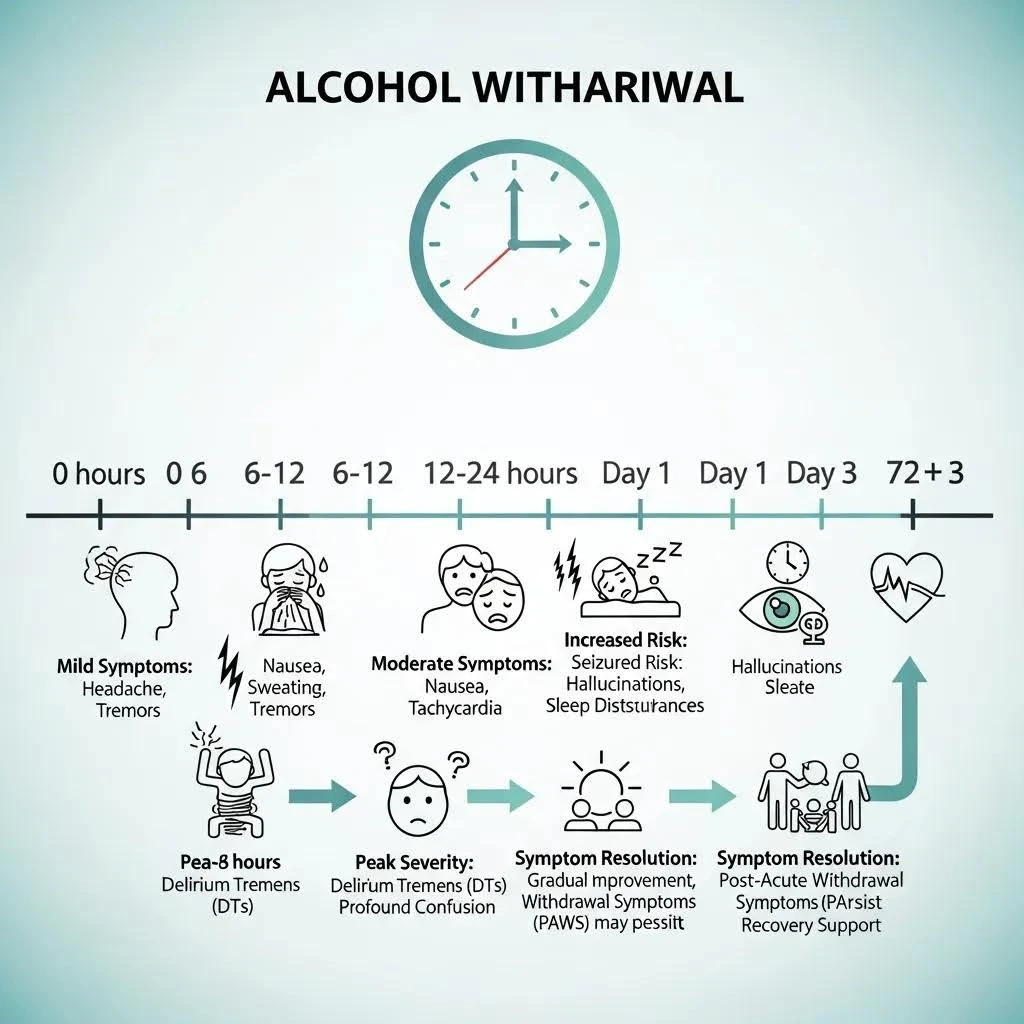
Identifying the signs of alcohol use disorder is essential for early intervention and recovery. Common indicators include an inability to limit drinking, increased tolerance, and withdrawal symptoms when not drinking.
Moreover, individuals may experience neglect of responsibilities, social withdrawal, and continued use despite negative consequences. Understanding these signs can empower individuals and their loved ones to seek help sooner, improving the chances of successful recovery.
Effective Coping Strategies for Addiction Recovery
Developing effective coping strategies is crucial for individuals in addiction recovery. These strategies can help manage cravings, reduce stress, and promote emotional well-being during challenging times.
Common coping techniques include mindfulness practices, engaging in physical activity, and building a strong support network. For example, mindfulness meditation can help individuals stay present and reduce anxiety, while regular exercise releases endorphins that improve mood. Implementing these strategies can significantly enhance the recovery process.
The Role of Support Groups in Recovery
Support groups play a vital role in addiction recovery, providing a sense of community and shared experience. These groups offer individuals a safe space to share their struggles, learn from others, and receive encouragement during their recovery journey.
Examples of well-known support groups include Alcoholics Anonymous (AA) and Narcotics Anonymous (NA), which follow a 12-step program to help individuals achieve and maintain sobriety. Participation in these groups can foster accountability and provide valuable resources for coping with the challenges of recovery.