Understanding Alcohol Use Disorder: Symptoms and Diagnosis
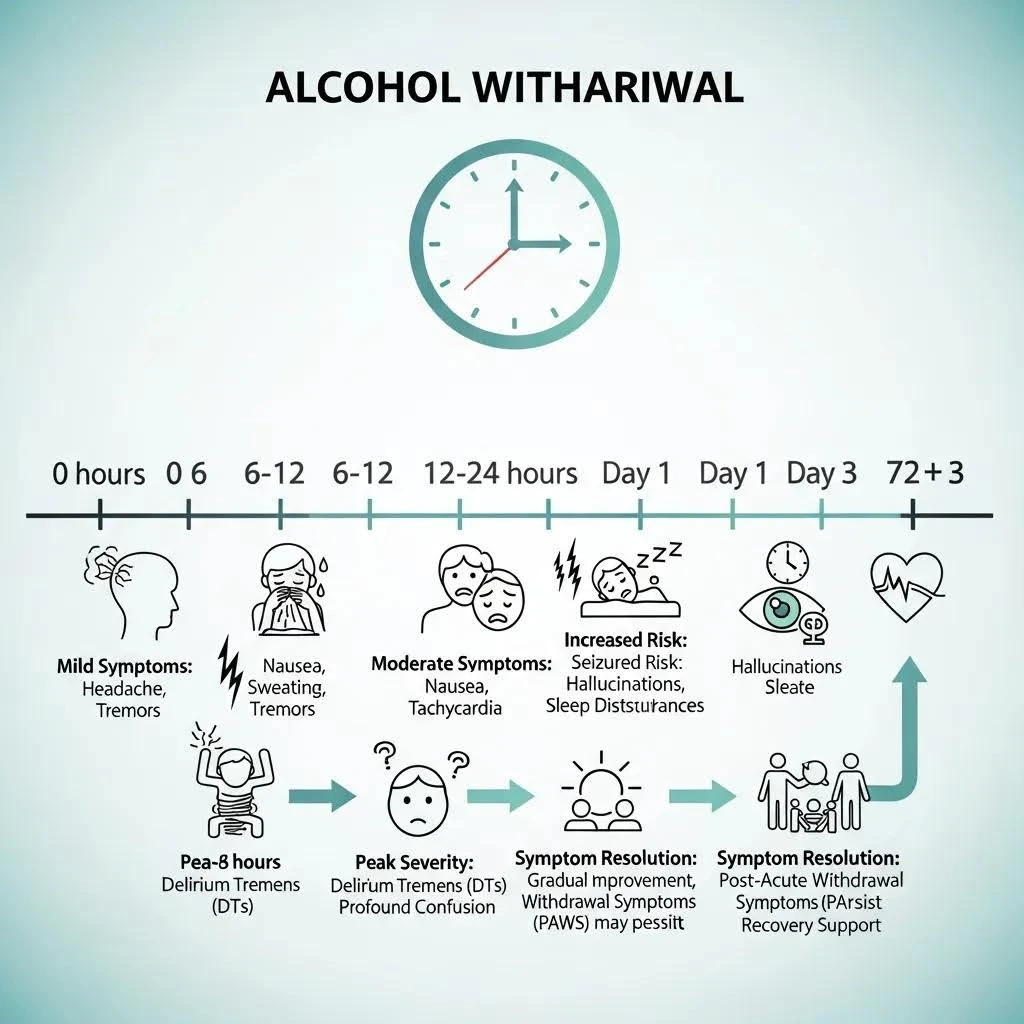
Alcohol Use Disorder (AUD) is characterized by a range of symptoms that indicate a problematic relationship with alcohol. Common signs include an inability to control drinking, experiencing withdrawal symptoms, and neglecting responsibilities due to alcohol use. Recognizing these symptoms is crucial for early intervention and treatment.
Diagnosis of AUD typically involves a thorough assessment by a healthcare professional, who may use standardized questionnaires to evaluate the severity of the disorder. This process helps in tailoring a suitable treatment plan that addresses the individual's specific needs and circumstances.
Effective Treatment Options for Alcohol Addiction
There are various treatment options available for individuals struggling with alcohol addiction, ranging from outpatient therapy to inpatient rehabilitation programs. Evidence-based therapies, such as Cognitive Behavioral Therapy (CBT) and Motivational Enhancement Therapy (MET), have proven effective in helping individuals overcome their addiction.
In addition to therapy, support groups like Alcoholics Anonymous (AA) provide a community of individuals who share similar experiences, fostering a supportive environment for recovery. Medication-assisted treatment may also be utilized to help manage cravings and withdrawal symptoms, enhancing the chances of successful recovery.
The Role of Family Support in Recovery
Family support plays a critical role in the recovery journey for individuals battling alcohol addiction. A supportive family can provide encouragement, understanding, and accountability, which are essential components for successful treatment outcomes. Open communication about the challenges of addiction can strengthen family bonds and promote healing.
Involving family members in the treatment process, through family therapy sessions or educational workshops, can enhance the recovery experience. This involvement helps family members understand the complexities of addiction and equips them with the tools needed to support their loved one effectively.
Long-Term Effects of Alcohol on Health
Chronic alcohol consumption can lead to a multitude of long-term health issues, including liver disease, cardiovascular problems, and neurological impairments. Understanding these risks is vital for individuals considering their drinking habits and the potential impact on their overall health.
Research indicates that excessive alcohol use can also contribute to mental health disorders, such as depression and anxiety. By recognizing the long-term effects of alcohol, individuals can make informed decisions about their consumption and seek help if needed to mitigate these health risks.