
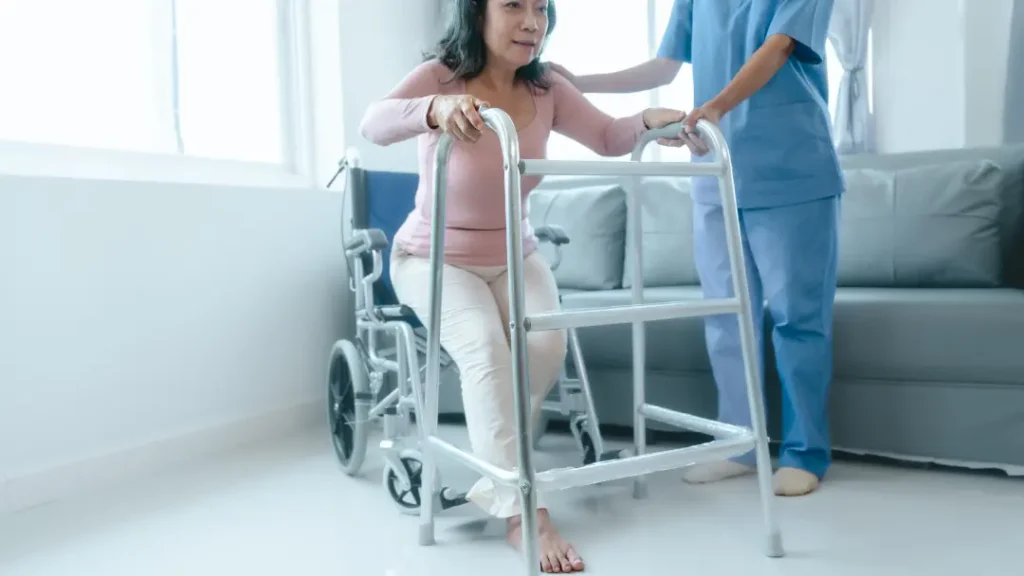
Residential rehab provides a structured, 24/7 therapeutic environment where individuals live on-site to receive medically supervised care.
Unlike outpatient programs, residential rehab removes external triggers and offers intensive support, making it especially effective for those with moderate to severe substance use disorders or co-occurring mental health challenges.
In this comprehensive guide, we will cover everything you need to know about residential rehab, how it works, who needs it, the therapies involved, and more.
Whether you’re researching treatment for yourself or a loved one, you will find clear and practical steps to make confident, informed decisions.
Key Takeaways
- Residential rehab provides 24/7 medically supervised care, ideal for moderate to severe addiction or co-occurring mental health conditions.
- Detox is often the first step, ensuring safe withdrawal and stabilization before therapy begins.
- Treatment includes CBT, DBT, trauma therapy, peer support, and medication management, tailored to each patient.
- A structured daily schedule reduces triggers and builds healthy coping routines, improving long-term recovery outcomes.
- Insurance, preauthorization, and aftercare planning are critical, helping individuals transition to outpatient care and maintain sobriety.
What Does Residential Rehab Mean?
Residential rehab is a structured addiction treatment where individuals live on-site at a licensed facility for a set period, receiving round-the-clock medical care and intensive therapeutic support.
By removing people from stressors, triggers, and unstable environments, residential rehab creates a safe space for withdrawal stabilization, focused therapy, and early recovery habit development.
Because care is continuous and not limited to scheduled appointments, clinicians can closely monitor withdrawal symptoms, adjust medications, and address co-occurring mental health concerns in real time.
This structure often benefits individuals with moderate to severe dependence, medical or psychiatric complications, or repeated relapse patterns.

How Is Residential Rehab Different from Outpatient Treatment?
Residential rehab differs from outpatient treatment in intensity, environment, and supervision. In residential care, clients stay on-site with 24/7 support, multiple daily therapy sessions, and immediate access to medical and psychiatric services.
This controlled setting limits exposure to triggers and provides rapid intervention if withdrawal, cravings, or crises occur.
Outpatient treatment allows individuals to live at home while attending therapy at scheduled times. It fits those with mild-to-moderate substance use, stable home environments, or work and family commitments that they must maintain.
Residential rehab is typically recommended when:
- Daily substance use or cravings pose safety risks
- Medical or psychiatric symptoms require close monitoring
- Previous outpatient attempts have not been successful
- The home environment is unstable or unsupportive
Types of Substance Use Disorders that Require Residential Rehab
Residential rehab programs help people with various substance use disorders, including alcohol, opioids, stimulants, benzodiazepines, prescription medications, and complex polysubstance use. Treatment plans are tailored to the specific substance and the person’s clinical needs.
For instance, alcohol dependence usually requires medically supervised detox because of potentially harmful withdrawal symptoms like delirium tremens1.
Residential care is especially important for individuals with severe physical dependence, a high risk of relapse, or co-occurring mental or medical conditions that need close monitoring and structured support.
Components of Residential Rehab Programs
Residential rehab programs integrate clinical assessment, personalized treatment planning, medical supervision, a variety of therapies, and discharge and aftercare planning to create a cohesive recovery journey.
These elements work in concert to address biological dependence, psychological factors, social support systems, and the skills required for lasting recovery.
What Is Detoxification?
Detoxification2 within residential rehab stabilizes withdrawal symptoms under medical supervision, utilizing monitoring, supportive care, and, when necessary, medication-assisted methods to mitigate risks and discomfort.
Detox serves to resolve the immediate physiological crisis and establish a secure foundation for commencing therapy and behavioral interventions. The duration varies based on the substance and its severity; medical teams monitor vital signs, manage complications, and transition patients to psychotherapy once they are stabilized.
Recognizing detox as a critical clinical step toward sustained treatment clarifies why integrated detox and residential therapy often lead to better patient engagement and earlier therapeutic progress.
Individualized Treatment Plans
Every residential rehab program starts with a thorough intake assessment that reviews substance use history, medical conditions, mental health symptoms, social support, and any past treatment attempts.
From this evaluation, the clinical team, which may include therapists, medical providers, and case managers, creates a personalized plan with clear, measurable goals.
These plans outline recommended therapies, medication needs, and goals for discharge or aftercare. As treatment moves forward, plans are continuously updated to reflect improvements, changing needs, or new clinical insights.
This personalized approach ensures that care is relevant and focused on the factors driving the substance use.
Evidence-Based Therapies
Residential programs use evidence-based therapies that have been shown to support recovery, including:
- Cognitive Behavioral Therapy (CBT)3: Changes thought patterns and coping responses.
- Motivational Interviewing (MI)4: Boosts commitment to change and treatment engagement.
- Dialectical Behavior Therapy (DBT) skills5: Helps reduce emotional dysregulation and impulsivity.
- Trauma-informed care6: Safely addresses trauma-related triggers and symptoms.
- Medication-Assisted Treatment (MAT): Used appropriately to manage cravings or withdrawal.
Group therapy and family involvement further strengthen skills learned during treatment and build connections within a supportive recovery community. Together, these methods address cognition, behavior, emotion, and motivation in a coordinated way.
Dual Diagnosis Treatment
Dual diagnosis residential care treats substance use disorders and mental health conditions together, preventing gaps in care that can hinder progress.
Patients receive coordinated psychiatric evaluations, therapy, and medication management from the same treatment team.
A typical pathway includes integrated assessment, a shared medication and therapy plan, and joint progress reviews between prescribers and therapists. This unified approach ensures that mental health symptoms are treated alongside addiction, improving stability and long-term recovery outcomes.
What Are the Benefits of Residential Rehab for Addiction Recovery?
Residential rehab offers strong clinical and practical benefits that support lasting recovery. By providing 24/7 medical oversight, protecting individuals from triggering environments, offering intensive therapy, and promoting peer connections, residential care enhances stability, safety, and ongoing participation in treatment.
How 24/7 Medical Supervision Supports Recovery
Around-the-clock medical care allows clinicians to respond quickly to withdrawal symptoms, medication needs, or new psychiatric issues.
This approach significantly lowers complications and improves safety during early recovery. Nursing and medical teams continuously monitor vital signs, give medications, and arrange emergency care when needed.
This level of care ensures a smooth transition from detox to therapy and helps prevent people from dropping out of treatment due to untreated symptoms.
The constant presence of medical staff is a major benefit of residential care, providing both stabilization and ongoing therapeutic momentum.
Why a Structured Environment Is Important in Residential Rehab
A structured environment replaces the uncertainty of substance-related routines with a stable daily schedule aimed at supporting new habits and behavior changes. Consistent routines, therapeutic activities, and limited access to triggers help lower the risk of relapse and improve the learning and retention of recovery skills.
By temporarily removing the stresses and distractions of daily life, residential programs allow individuals to fully focus on healing.
This structured foundation helps them maintain routines and self-discipline as they transition to outpatient or community-based care.
How Peer Support Enhances Treatment Success
Peer support is one of the most important aspects of residential rehab. Group therapy, shared experiences, and connections with alumni create a supportive network that encourages accountability, a sense of belonging, and motivation.
Hearing from peers who face similar challenges reduces feelings of isolation and offers practical, real-life strategies for dealing with cravings, stress, and setbacks.
Alumni programs further extend this support, offering mentorship and connection well after discharge. These peer networks become a lasting resource that complements formal therapeutic efforts.
What Are the Success Rates and Long-Term Outcomes of Residential Rehab?
Success rates vary based on individual needs, program quality, co-occurring conditions, and the strength of ongoing support after discharge. Research consistently shows that outcomes improve when residential treatment is combined with strong aftercare, medication-assisted treatment when needed, and community-based recovery resources7.
Because addiction is a long-term condition, relapse can be part of the recovery journey. For this reason, long-term success is better measured by ongoing engagement with recovery supports, improved functioning, and reduced harm instead of a single “cure.” Step-down programs, alumni networks, and ongoing therapy play a significant role in supporting lasting recovery over time.
Understanding these realistic, evidence-based outcomes helps clients and families plan for a complete continuum of care, not just treatment but also long-term support.
Who Should Consider Residential Rehab? Admission Criteria and Patient Profiles
Residential rehab is often suitable for individuals experiencing moderate to severe substance use disorders, complex medical or psychiatric comorbidities, a high risk of relapse, or unsafe home environments that impede recovery8.
Admission decisions take into account the severity of the disorder, previous treatment history, medical stability, psychiatric needs, and social circumstances such as homelessness or ongoing association with substance-using peers.
Families and referring professionals can play a significant role in facilitating assessments and admissions, and programs typically provide intake pathways to evaluate suitability.
The following checklist outlines common criteria and helps individuals determine if residential care is likely necessary.
Consider residential care when multiple indicators of complexity are present:
- High-frequency or heavy substance use that has led to physical dependence.
- Repeated unsuccessful attempts at outpatient or IOP programs to maintain abstinence.
- Co-occurring psychiatric disorders require integrated treatment.
- An unsafe or unsupportive home environment that hinders recovery efforts.
How Are Co-Occurring Mental Health Conditions Evaluated?
Co-occurring conditions are assessed using standardized screening tools, clinical interviews, and psychiatric evaluations to determine diagnostic severity and treatment compatibility9.
These evaluations inform decisions about whether inpatient psychiatric services or integrated dual diagnosis residential treatment is required and guide the selection of medications and therapy approaches.
Ongoing reassessment during the treatment stay ensures that evolving needs are addressed and that psychiatric care remains coordinated with addiction interventions.
This integrated evaluation process minimizes the risk of fragmented care and enhances treatment alignment.
What to Expect During Your Stay at a Residential Rehab Facility
During residential treatment, you can expect a structured daily routine that includes therapy sessions, medical check-ins, wellness activities, and preparation for life after discharge.
A team of professionals guides every step to make sure your care remains consistent and tailored to your individual needs.
How Is the Facility Environment Designed to Support Recovery?
Residential rehab environments are designed to promote safety, comfort, and therapeutic engagement.
Facilities usually offer private or shared bedrooms, spaces for individual and group therapy, and areas that support healthy social interaction.
Safety protocols, such as secure medication administration, monitored areas for medical observation, and substance-free campus policies, ensure a safe environment where recovery can take priority.
By combining comfort with clinical oversight, the physical environment reduces stress, limits exposure to triggers, and encourages active participation in treatment. This setting plays an important role in the healing process and supports ongoing engagement throughout your stay.
What Types of Therapy Sessions Will You Participate In?
Patients in residential rehab take part in a mix of therapeutic approaches, each aimed at different aspects of recovery. These typically include:
- Individual therapy: Personalized sessions that focus on your goals, trauma history, coping skills, and progress.
- Group therapy: Daily groups that emphasize relapse prevention, emotional regulation, peer support, and skill-building.
- Family therapy: Sessions that address relationship dynamics, communication patterns, and strategies for long-term support.
- Specialized groups: Trauma-informed therapy, dual-diagnosis groups, relapse prevention planning, vocational preparation, and psychoeducation.
The frequency and intensity of these sessions are tailored to your clinical needs, making sure you receive a balanced mix of cognitive, emotional, behavioral, and practical treatment tools essential for long-term recovery.
How Do Licensed Staff and Medical Professionals Support Patients?
A team of professionals works together to support your medical, psychological, and practical needs throughout treatment. This team usually includes:
- Nurses, who provide daily medical monitoring, give medications, and assess emerging health concerns.
- Therapists, who lead individual and group sessions, develop treatment goals, and integrate evidence-based methods.
- Psychiatrists, who conduct evaluations, prescribe medications, and manage co-occurring mental health conditions.
- Case managers, who coordinate discharge planning, arrange follow-up services, and connect you with community resources.
Daily check-ins, progress reviews, and team meetings ensure that care plans adapt as your recovery progresses. This coordinated method ensures consistency, safety, and a smooth transition between treatment phases.
What Is the Role of Aftercare and Alumni Programs Post-Treatment?
Aftercare and alumni services are important parts of long-term recovery, providing ongoing support and structure once residential treatment ends.
Aftercare may include:
- Outpatient day treatment
- Evening or intensive outpatient programs (IOP)
- Ongoing therapy
- Medication management
- Peer support groups and recovery communities
Alumni programs offer support through mentorship, regular check-ins, group meetings, workshops, and community events that help maintain a sense of connection and accountability.
Providers that offer formal alumni programs and outpatient day treatment create a smooth step-down pathway, helping individuals maintain progress, prevent relapse, and stay connected with their recovery community.
Starting to plan for aftercare, ideally soon after admission, is one of the best predictors of long-term success.
How Much Does Residential Rehab Cost?
The cost of residential rehab can vary widely depending on several factors, including the length of stay, the level of medical and clinical support required, the types of therapies provided, and the overall setting and amenities of the program.
Understanding these cost variables helps individuals and families plan ahead and get a clearer picture of what to expect before entering treatment.
At Charles River Recovery, we work to make the admissions process as transparent and stress-free as possible. We accept most major insurance plans and offer complimentary insurance verification so families can understand their coverage, benefits, and any potential out-of-pocket costs before admission.
Our admissions team also assists with benefit questions and can discuss payment options when needed, ensuring finances are never a barrier to accessing high-quality care.
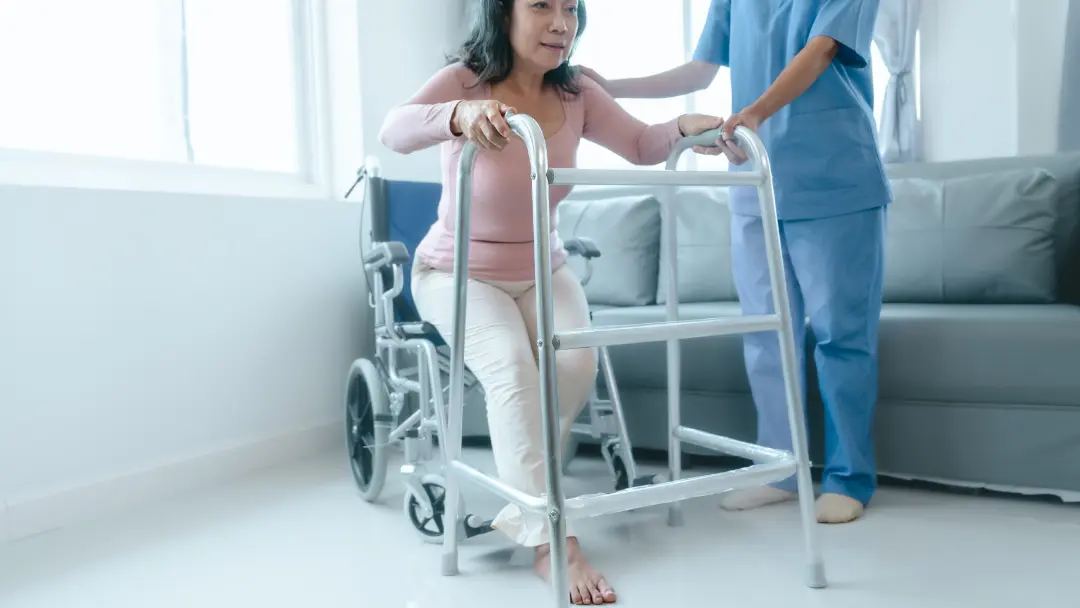
How to Choose the Right Residential Rehab Program for You or Your Loved One
Choosing the right residential rehab program involves careful consideration of clinical and practical factors.
Important aspects include the program’s medical capabilities, staff experience, availability of dual diagnosis care, and the quality of aftercare and step-down planning.
Logistical elements are equally important. These include insurance acceptance, options for family involvement, and how well the program’s environment matches your needs and recovery goals.
An effective way to decide takes into account clinical strengths, such as integrated psychiatric services, evidence-based therapies, and 24/7 medical support. It also considers operational factors, including campus safety, therapeutic structure, alumni programming, and smooth transitions into outpatient care.
Evaluating these aspects together helps ensure the program can handle both the initial stabilization phase and the long-term recovery process.
Why Choose Charles River Recovery’s Residential Treatment in Massachusetts?
Charles River Recovery offers a complete Residential Treatment program, also called an Inpatient Rehab Program. This program aims to provide personalized, medically supported addiction care.
Treatment is delivered by licensed clinical and medical professionals who focus on substance use disorders and co-occurring mental health issues.
For those needing dual diagnosis residential treatment or medical stabilization, Charles River Recovery provides: As part of our holistic approach, we incorporate charles home design principles to create a serene and therapeutic environment. This careful attention to aesthetics not only promotes comfort but also enhances overall well-being. Our facilities are thoughtfully designed to support recovery while providing a welcoming atmosphere for our clients.
- Drug and Alcohol Detox with 24/7 monitoring
- Dual Diagnosis Treatment that combines psychiatric and addiction care
- Residential Treatment featuring evidence-based therapies
- Outpatient Day Treatment as a structured step-down option
- An Alumni Program to promote long-term engagement and support
The program focuses on flexible scheduling, various therapeutic approaches, and help with insurance verification. Acceptance of most major insurance plans makes Charles River Recovery a practical choice for individuals and families throughout Massachusetts seeking drug and alcohol detoxification with clear admissions guidance. Book a confidential assessment today.
What Are the Next Steps to Get Started with Residential Rehab?
Getting started consists of a few simple steps aimed at making admission smoother and ensuring clinical needs are met quickly:
- Schedule a confidential assessment to determine medical necessity and treatment level.
- Provide insurance information so the admissions team can check benefits and review coverage options.
- Gather essential documents, including medication lists, recent clinical or psychiatric notes (if available), and your insurance card.
- Complete a medical screening to assess stabilization or detox needs.
- Coordinate family or support involvement, especially for transportation, planning, and early aftercare discussions.
- Confirm travel logistics if you’re coming from outside the area.
Having these items ready in advance helps speed up placement, reduces paperwork issues, and allows the clinical team to create an accurate, personalized treatment plan before admission.
Frequently Asked Questions About What Is Residential Rehab
How can I tell if I or a loved one needs residential rehab instead of outpatient care?
Residential rehab is usually suggested when safety, stability, or medical needs cannot be managed at home.
Signs that you may need inpatient care include daily substance use, strong cravings, repeated relapses after outpatient treatment, withdrawal symptoms that require monitoring, mental health issues, or living in an environment that makes staying sober difficult.
If any of these apply, a residential setting offers the intensive and structured support necessary for stabilization and early recovery.
What should I expect during the first 24 to 72 hours in residential rehab?
The first few days usually involve a medical assessment, psychiatric screening, and a review of your history with substances.
If necessary, detox begins right away with round-the-clock monitoring to manage withdrawal safely.
Once you’re stable, the team introduces you to your daily schedule, therapy plan, and support staff. This early stabilization phase aims to reduce anxiety, ensure comfort, and help you feel grounded in the program.
How long do most people stay in residential rehab?
The length of stay varies based on clinical need, not a set timeline. Many programs start with 28 to 30 days, but people with long-term substance use, co-occurring mental health disorders, or complicated withdrawal symptoms may benefit from stays of 45, 60, or 90 days.
Your treatment team will regularly reassess progress to determine the safest and most effective length of care for long-term recovery.
Does residential rehab treat mental health conditions alongside addiction?
Yes. Most residential programs, including dual diagnosis centers, provide integrated care for both mental health and substance use disorders.
This includes psychiatric evaluations, medication management, and therapies aimed at supporting issues like anxiety, depression, bipolar disorder, and PTSD. Treating both issues together reduces the likelihood of relapse and strengthens long-term stability.
How much does residential rehab cost, and what does insurance typically cover?
Costs vary depending on the facility, length of stay, medical complexity, and types of services offered.
Many insurance plans cover a significant part of medically necessary residential treatment, including detox, therapy, and psychiatric care.
At Charles River Recovery, we offer free insurance verification, clarify benefits, and explain all enquiry before admission, so families know exactly what to expect financially.
Conclusion
Residential rehab is one of the most effective treatment options for individuals who need structured, high-intensity support to overcome addiction.
It offers 24/7 medical supervision, evidence-based therapies, dual diagnosis treatment, and a healing environment free from outside triggers. Inpatient care lays the foundation for real, lasting recovery.
As individuals move through detox, therapy, daily routines, and aftercare planning, they develop the stability and skills needed to shift into lower levels of care and maintain long-term sobriety.
Choosing the right residential rehab program is an important step toward safety, clarity, and healing. With informed decision-making, strong clinical support, and a personalized plan, recovery becomes not only possible but fully achievable.
References
- https://www.ncbi.nlm.nih.gov/books/NBK441882/
- https://www.ncbi.nlm.nih.gov/books/NBK64119/
- https://pmc.ncbi.nlm.nih.gov/articles/PMC2897895/
- https://pmc.ncbi.nlm.nih.gov/articles/PMC8939890/
- https://pmc.ncbi.nlm.nih.gov/articles/PMC2797106/
- https://www.sciencedirect.com/science/article/pii/S2949875924002832
- https://pubmed.ncbi.nlm.nih.gov/8925349/
- https://txrules.elaws.us/rule/title28_chapter3_sec.3.8011
- https://www.ncbi.nlm.nih.gov/books/NBK571017/