
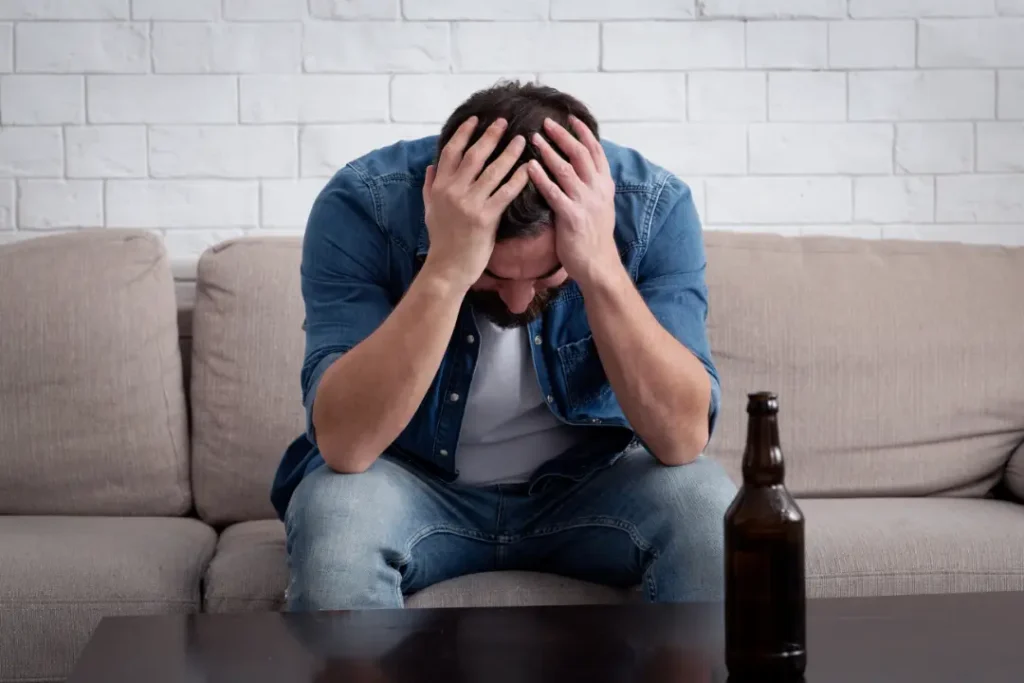
Entering rehab can feel overwhelming, but it’s one of the most transformative steps a person can take toward lasting recovery. A rehabilitation program isn’t just about stopping substance use; it’s a structured, evidence-based journey designed to heal both mind and body.
From the moment of intake through detox, therapy, and aftercare, each phase is carefully planned to ensure safety, emotional growth, and a sustainable path forward.
In this guide, you’ll gain a clear understanding of what happens in rehab: how medical detox works, what daily life looks like in residential care, how outpatient treatment supports flexibility, and why aftercare and alumni networks are vital for long-term success.
Whether you’re exploring rehab options for yourself or a loved one, this resource will help you know exactly what to expect every step of the way.
Key Takeaways
- Rehab unfolds in four key stages: Intake & Assessment, Medical Detox, Therapy & Rehabilitation, and Aftercare.
- Programs include inpatient, outpatient, and dual-diagnosis treatment, ensuring tailored care for every individual’s unique needs.
- Medical detox provides safe withdrawal management under 24/7 clinical supervision.
- Evidence-based therapies like CBT, MI, and trauma-informed care address root causes and build resilience.
- Aftercare and alumni support systems help sustain long-term recovery and prevent relapse.
What Are the Key Stages of the Rehab Process?
The rehabilitation process is a carefully sequenced series of clinical steps meticulously designed to stabilize an individual, effectively treat the substance use disorder, and lay the groundwork for sustained recovery.
The fundamental stages include intake and assessment to pinpoint specific needs, medical detoxification to manage physiological withdrawal symptoms safely, therapy and rehabilitation to foster behavioral change and address root causes, and aftercare to minimize relapse risk and support long-term well-being.

Intake and Assessment Process Work
The intake and assessment phase is crucial for establishing a personalized treatment roadmap. It involves gathering comprehensive health history, detailed substance use patterns, information on psychiatric symptoms, social determinants of health, and identified risk factors through structured interviews and validated screening tools.
Clinicians will inquire about recent substance use, previous treatment experiences, withdrawal history, existing medical conditions, and mental health symptoms to accurately gauge the acuity of the situation and determine the most appropriate level of care.
This often includes standardized assessments and a thorough psychiatric evaluation. During intake, insurance verification and consent discussions are also conducted to align logistical arrangements with clinical recommendations and to facilitate timely admission when medically necessary.
Families are frequently involved in this process when appropriate. Having medication lists, recent lab results, and prepared questions readily available can significantly assist the clinical team in crafting an effective and timely plan, ensuring smooth transitions into detoxification or residential programming.
Medical Detoxification
Medical detoxification is a carefully supervised process focused on stabilizing individuals experiencing withdrawal from alcohol or other substances1.
The primary objective is to manage symptoms safely and mitigate immediate medical risks. Clinically, this involves consistent monitoring of vital signs, regular symptom assessments, provision of hydration and nutritional support, and the judicious use of medications to alleviate severe withdrawal signs and cravings.
Escalation protocols are in place to address any complications that may arise. The detox environment is staffed by nurses and medical clinicians expertly trained to respond to withdrawal emergencies, with established protocols dictating when hospitalization or higher-level care may be necessary.
Detoxification is a short-term, safety-centric phase that prepares patients for subsequent therapeutic treatment once they are medically stable.
Individual/Group/Family Therapy
Therapy within a rehabilitation setting is delivered through a coordinated blend of individual counseling, group sessions, family involvement, and educational groups, all aimed at fostering behavioral change, developing essential coping skills, and promoting relapse prevention.
A dedicated multidisciplinary team, comprising therapists, case managers, medical providers, and psychiatric clinicians, convenes regularly to customize the therapeutic approach for each individual.
Therapy is often more intensive at the outset and gradually tapers as recovery progresses.
Evidence-based modalities such as Cognitive Behavioral Therapy (CBT), motivational interviewing, and trauma-informed care are seamlessly integrated into daily group activities and one-on-one sessions to address triggers, build coping mechanisms, and process underlying trauma or mental health symptoms.
A 2021 study2 evaluated the effectiveness of combining Motivational Interviewing (MI) with Cognitive Behavioral Treatment (CBT) for heavy drinkers. The research found that combining these two evidence-based modalities, where MI helps build intrinsic motivation for initial change, and CBT provides the coping skills, self-monitoring, and cognitive restructuring to sustain that change, is more effective in promoting and maintaining behavioral changes than using MI alone.
This collaborative, team-based approach ensures that therapeutic objectives, medication adjustments, and social support strategies are all aligned with the individual’s aftercare plan.
Post Rehab Aftercare
Aftercare represents a planned sequence of ongoing support and resources designed to bridge the gap between the conclusion of formal treatment and the individual’s return to community life.
Its primary aim is to reduce the risk of relapse and sustain the progress made in recovery. Typical components include continued outpatient therapy, medication management as needed, participation in peer support groups, and scheduled clinical follow-ups at key intervals.
Effective aftercare incorporates a written relapse prevention plan, connections to community resources, and active alumni engagement to foster social accountability and ongoing support. Transition planning commences during the treatment phase, ensuring that housing arrangements, appointments, and support networks are firmly in place before discharge.
At Charles River Recovery, we guide clients through a structured, evidence-based rehabilitation process designed to stabilize health, address root causes, and build the foundation for lifelong recovery. Every stage of care is thoughtfully planned to ensure clinical precision, compassion, and continuity of support.
From the moment you reach out to us through your long-term recovery milestones, we’re with you every step of the way. At Charles River Recovery, our seamless continuum, from detoxification to outpatient care and aftercare, ensures a continuous and uninterrupted healing journey. Contact our admissions team today. As we design supportive environments for our clients, we also keep an eye on charles home design trends in 2023. Our spaces reflect the latest in comfort and aesthetics, promoting relaxation and healing. Embracing these trends allows us to create an atmosphere that fosters recovery and well-being.
What to Expect in Inpatient Residential Rehab: A Day in the Life
Residential rehabilitation offers a highly structured and supervised environment where daily routines, therapeutic programming, and community support are carefully balanced to foster a robust recovery.
This model integrates 24/7 clinical oversight with a predictable schedule that includes group therapy, individual sessions, medication management as required, essential skills training, meals, and supervised free time for practicing newly acquired coping strategies.
The core therapeutic objective of residential programming is to remove immediate environmental triggers, cultivate essential daily living skills, impart effective relapse prevention techniques, and nurture peer support within a secure setting where staff consistently model and reinforce recovery-oriented behaviors.
Residents benefit immensely from consistent routines and the camaraderie of peers navigating similar challenges, which collectively accelerate learning and diminish feelings of isolation.
Advanced Therapies for Lasting Recovery
Modern residential rehab goes beyond detox and routine counseling. It’s a comprehensive therapeutic experience aimed at healing both mind and body.
Facilities typically combine evidence-based therapies with holistic practices to address the underlying causes of addiction and support sustainable change.
Core treatment modalities include:
- Cognitive Behavioral Therapy (CBT) to challenge destructive thinking and build healthier habits
- Motivational Interviewing (MI) to strengthen internal motivation for change
- Family Therapy to repair relationships and foster support systems.
- Trauma-Informed Therapy to process past experiences safely.
Complementary practices such as mindfulness, yoga, art therapy, and vocational or life skills training add balance and depth to recovery. Group therapy usually happens daily, while individual counseling occurs several times per week, ensuring both personalized care and community engagement.
Together, these integrated methods promote emotional regulation, self-awareness, and relapse prevention by helping clients develop the tools they need for a fulfilling, substance-free life.
An Environment That Supports Recovery
The setting of a residential rehab program is as therapeutic as the treatment itself. These facilities are intentionally designed to provide physical safety, emotional stability, and a sense of belonging.
A 2023 study found that having structured, predictable routines in a recovery environment provides a sense of stability and security, which is crucial for replacing the chaos of active addiction3.
Critically, it noted that periods of unused time were a major trigger for participants, underscoring how a structured routine helps combat boredom and enables individuals to form new, positive, and automatic habits, leading to improved emotional well-being and self-control.
Residents live in a substance-free space where consistent routines, professional guidance, and peer accountability replace the chaos of addiction. Trained staff offer continuous supervision, medication management, and crisis support, while peers form a community built on shared goals and encouragement.
This immersive living/learning environment not only reduces relapse risks but also instills habits of responsibility, empathy, and self-mastery.
By the time residents transition to outpatient or independent living, they’ve already built a foundation of structure, support, and skills, essential for long-term success in recovery.
How Does Outpatient Day Treatment Work and Who Is It For?
Outpatient day treatment skillfully combines structured therapeutic interventions with the flexibility needed for individuals who can reside at home or maintain employment while receiving intensive clinical services.
Operationally, these programs feature a schedule packed with multiple therapy groups and individual sessions throughout the weekdays, often offering full-day or partial-day tracks.
This allows patients to benefit from concentrated therapeutic exposure while still managing their external responsibilities. Outpatient day treatment is ideally suited for individuals who have achieved medical stability after detoxification4 or those transitioning from residential care, providing a high-intensity treatment option that preserves vital community ties and employment opportunities.
The primary advantage lies in its ability to integrate therapeutic work directly into daily life, supported by a safety net of clinicians and case managers dedicated to coordinating care.
What Is the Structure of Outpatient Day and Evening Programs?
Outpatient day and evening programs are designed with varying levels of intensity to accommodate diverse patient needs and schedules.
Partial hospitalization programs (PHP) offer comprehensive, full-day services on a daily basis, while intensive outpatient programs (IOP) typically meet several evenings per week. Standard outpatient services are usually provided on a weekly basis.
Sessions consistently integrate group therapy, individual counseling, medication management check-ins, and case management, with family sessions arranged as needed to support reintegration into home life.
Evening treatment programs are specifically crafted to accommodate work or school commitments, delivering evidence-based therapies in concentrated, manageable blocks.
Effective coordination with employers, educational institutions, and family support systems is a critical component for program success and patient retention.
Benefits of Outpatient Treatment
Outpatient treatment presents several practical advantages, though it also has inherent limitations when compared to inpatient care. Key benefits include the ability for patients to maintain their work, educational pursuits, and family responsibilities, along with generally lower out-of-pocket and systemic costs.
Furthermore, it provides valuable opportunities to immediately apply newly acquired coping skills within the patient’s natural, everyday environment.
Limitations, however, include reduced 24/7 supervision, increased exposure to real-world triggers, and a greater demand for personal stability and intrinsic motivation to actively engage in treatment.
For a significant number of patients, outpatient care is recommended as a crucial step-down phase following residential treatment or as a primary treatment option when the risk of severe withdrawal is low and robust social support systems are firmly in place.
How Is Dual Diagnosis Treatment Provided in Rehab?
The co-occurrence of SUDs and mental illnesses is extremely common and often stems from overlapping factors such as genetics, brain changes in the reward and control circuits, and environmental influences like stress or trauma5.
NIDA explicitly states that the high rate of comorbidity shows the need for an integrated approach to identify and treat these disorders at the same time, as untreated psychiatric symptoms can drive substance use as a form of self-medication, and chronic substance use can exacerbate or trigger mental health symptoms6.
Dual diagnosis treatment is specifically designed to address co-occurring substance use and mental health disorders through an integrated model that treats both conditions concurrently, rather than sequentially.
This integrated approach is highly effective because mental health symptoms and substance use often have a bidirectional relationship: untreated psychiatric disorders can drive substance use as a coping mechanism, and conversely, substance use can exacerbate existing psychiatric symptoms.
The integrated model ensures close coordination between psychiatry, psychotherapy, and case management, so that medication adjustments, therapeutic goals, and relapse prevention strategies are synchronized across all disciplines.
This comprehensive approach leads to improved patient engagement, reduced relapse rates, and more stable long-term outcomes compared to treating each condition in isolation.
Which Therapies Address Both Addiction and Mental Health?
A variety of therapeutic approaches have been successfully adapted to address dual diagnosis contexts, effectively targeting both substance-related behaviors and psychiatric symptoms through complementary mechanisms.
Cognitive Behavioral Therapy (CBT) is instrumental in modifying maladaptive thought patterns and behaviors common to both conditions7. Dialectical Behavior Therapy (DBT) provides crucial emotion-regulation skills that are particularly beneficial for managing borderline personality symptoms and substance use triggers8.
Trauma-informed therapies offer a safe and supportive space for processing traumatic experiences that often underlie both addiction and mental illness. Coordinated psychiatric medication management addresses the biological underpinnings of mood and anxiety disorders.
Ultimately, team-based care ensures that therapeutic interventions and pharmacotherapy are precisely matched to evolving clinical needs and critical safety considerations.
What Types of Addiction Treatment Therapies Are Used in Rehab?
Rehabilitation programs employ a diverse spectrum of therapies, encompassing behavioral, pharmacological, family-based, and holistic approaches, that collectively form a comprehensive treatment plan meticulously tailored to individual needs.
Each therapy has a specific mechanism of action and an expected benefit. Behavioural therapies aim to modify thinking and coping strategies, medication-assisted treatments help reduce withdrawal symptoms and cravings, family therapy works to rebuild relationships and improve communication, and holistic modalities support physical and emotional regulation.
Presenting these therapies as distinct components with unique mechanisms helps patients and their families grasp how various approaches synergize to achieve significant recovery gains.
Below is a concise comparison of common therapy types and their practical benefits.
| Therapy | Mechanism / Focus | Expected Patient Benefit |
|---|---|---|
| Cognitive Behavioral Therapy (CBT) | Identifies and restructures maladaptive thoughts and behaviors | Improved coping skills, reduced substance-related triggers |
| Motivational Interviewing (MI) | Enhances intrinsic motivation and resolves ambivalence | Increased engagement and treatment adherence |
| Family Therapy | Rebuilds relational dynamics and communication patterns | Stronger support network and reduced relapse triggers |
| Medication-Assisted Treatment (MAT) | Pharmacological stabilization and craving reduction | Safer withdrawal, reduced overdose risk, increased treatment retention |
| Trauma-Informed Therapy | Safe processing of traumatic experiences | Reduced PTSD symptoms and decreased reliance on self-medication |
Cognitive Behavioral Therapy
Cognitive Behavioral Therapy9 significantly aids recovery by empowering individuals to identify distorted or automatic thoughts that often precede substance use, and then equipping them with the skills to replace these with more adaptive thinking patterns and effective coping strategies.
The core mechanism involves practical skills training, including behavioral experiments, cognitive restructuring techniques, and activity scheduling, which effectively interrupt conditioned responses to triggers and expand the repertoire of alternative coping options.
Clinically, CBT has been shown to reduce relapse rates by strengthening problem-solving abilities10, supporting emotional regulation, and fostering the development of concrete relapse-prevention plans.
In practical application, CBT sessions typically focus on tangible homework assignments and measurable behavior changes, which translate directly into improved daily choices and enhanced long-term resilience.
Individual and Group Therapy
Individual therapy provides a confidential and safe space for individuals to explore personal history, address co-occurring psychiatric symptoms, manage medication responses, and develop highly personalized relapse prevention strategies.
In contrast, group therapy offers invaluable peer learning opportunities, provides constructive social feedback, and creates a safe environment for practicing interpersonal skills.
These two formats are highly complementary: individual sessions allow for the customization of treatment targets and the in-depth exploration of personal issues, while group therapy accelerates social learning, modeling of healthy behaviors, and fosters a sense of accountability.
Regular participation in both formats is known to significantly improve outcomes by combining tailored interventions with the corrective and motivational benefits derived from peer support. Treatment programs typically recommend this combined approach for maximizing therapeutic benefit.
Holistic and Motivational Therapies
Holistic therapies and motivational approaches are frequently integrated into treatment plans as valuable adjuncts that support emotional regulation, promote physical well-being, and enhance readiness for change.
Examples of these modalities include mindfulness and meditation practices, which help reduce stress and cravings; yoga and exercise, known for their positive impact on mood and sleep quality; nutrition counseling, aimed at restoring physical health; and motivational interviewing, designed to cultivate intrinsic motivation for recovery.
While these approaches do not replace core evidence-based therapies, they effectively complement them by improving patient engagement, supporting overall well-being, and enhancing the long-term durability of behavioral change.
When thoughtfully integrated, these adjunctive therapies significantly contribute to a more patient-centered approach and address the multifaceted biopsychosocial dimensions of recovery.
What Happens During Drug and Alcohol Detoxification?
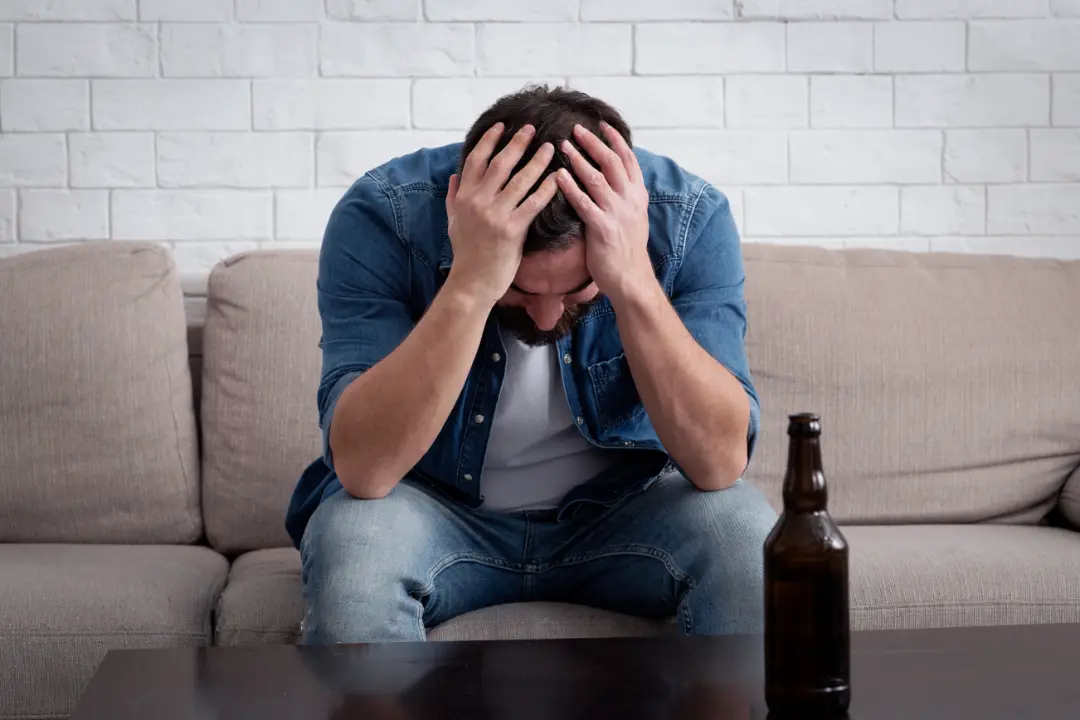
Drug and alcohol detoxification is a time-limited medical process meticulously focused on safely managing acute withdrawal symptoms while simultaneously preparing the individual for subsequent, ongoing addiction treatment.
The fundamental mechanism of detox is physiological stabilization: this involves vigilant monitoring of vital signs, prompt treatment of severe symptoms, and the strategic use of medication-assisted strategies when indicated to minimize risk and discomfort.
The primary clinical goals include preventing potentially dangerous withdrawal complications, initiating medication-assisted treatment if deemed appropriate, and establishing a clear transition plan into therapeutic interventions and aftercare.
Families can anticipate close medical monitoring, daily physician reviews, and a strong emphasis on short-term stabilization rather than in-depth, long-term psychotherapy; once medical stability is achieved, the clinical team seamlessly shifts its focus to therapeutic interventions.
| Substance | Typical Withdrawal Timeline | Monitoring & Treatment Approach |
|---|---|---|
| Alcohol | 24–72 hours for acute symptoms; potential for protracted symptoms up to 7 days | Continuous vital signs monitoring, CIWA scale assessments, benzodiazepine protocols, and hospitalization may be required for severe cases |
| Opioids | Peak intensity within 24–72 hours; protracted symptoms can last for weeks | Symptom management, consideration of MAT options (e.g., buprenorphine), supportive care |
| Benzodiazepines | Onset can range from 1–7 days; there is a significant risk of seizures with high-severity withdrawal | Gradual tapering protocols, close medical supervision, and sometimes requires inpatient taper |
| Stimulants (cocaine, meth) | “Crash” phase typically within days; mood-related symptoms can persist for weeks | Supportive care, psychiatric monitoring, treatment for associated depression/anxiety |
| Prescription stimulants/opioids | Variable timelines dependent on dosage and drug half-life | Individualized monitoring and tailored medication strategies as needed |
This table effectively illustrates how detoxification protocols are substance-specific, underscores the critical importance of medical oversight, and demonstrates how monitoring strategies directly correlate with safety outcomes.
How Is Medical Detox Supervised and What Are the Safety Measures?
Medical detoxification is meticulously supervised by a dedicated team of clinicians and nursing staff who conduct frequent assessments, diligently monitor vital signs, and adhere to standardized protocols to ensure the early detection and effective treatment of any potential complications.
Key safety measures include the consistent use of symptom rating scales, standing orders for medication administration when predefined thresholds are met, provision of essential hydration and nutritional support, and clearly defined escalation pathways for seamless transfer to higher-level medical care when necessary.
Staff training places a strong emphasis on the early recognition of seizure risks, severe autonomic instability, and psychiatric decompensation; when such risks are identified, arrangements are promptly made for transfer to inpatient medical units or a hospital setting.
These comprehensive safeguards are instrumental in ensuring that detoxification serves as a secure bridge to therapeutic work, rather than an isolated event.
How Does Aftercare and Alumni Support Sustain Long-Term Recovery?
Aftercare and alumni programs serve as the bridge between structured residential treatment and independent living, ensuring that individuals stay supported through life’s transitions and challenges.
These programs are designed to maintain clinical progress, promote accountability, and reinforce a stable recovery identity long after discharge.
At their core, aftercare and alumni systems combine continued therapy, medication management, peer connection, and real-world skill-building to create a flexible, protective framework that adapts to each person’s needs.
Participants receive ongoing clinical oversight to monitor mood and behavior changes, structured relapse prevention planning, and access to sober living environments that reduce exposure to triggers.
Peer networks and alumni events further strengthen motivation and belonging, two of the most powerful predictors of sustained recovery.
By layering these services over time, aftercare replaces the abrupt transition out of care with a graduated, personalized continuum of support. This continuity helps individuals navigate early challenges, such as employment, relationships, and stress management, while remaining anchored in their recovery community.
Components of Aftercare Programs
A comprehensive aftercare plan integrates clinical, social, and practical supports to address every dimension of recovery. Typical elements include:
- Ongoing Outpatient Therapy: Weekly or biweekly sessions help clients manage stress, triggers, and evolving life circumstances.
- Psychiatric Follow-Up: Regular medication reviews ensure continued mental health stability for those with co-occurring conditions.
- Case Management: Support for housing, employment, and benefits navigation reduces real-world stressors that can lead to relapse.
- Sober Living or Transitional Housing: Structured environments reinforce accountability and provide community-based recovery models.
- Peer Support Groups: Continued participation in 12-step or alternative recovery groups fosters connection and mutual encouragement.
- Relapse Prevention Planning: A written, personalized plan identifies high-risk situations, coping skills, and emergency contacts.
- Scheduled Check-Ins: Regular follow-ups that provide consistent oversight and adjustment of care plans.
Some programs also integrate employment coaching, transportation coordination, and alumni mentorship, further smoothing the path toward independence.
Ultimately, effective aftercare transforms recovery from a temporary phase into a lifelong practice, empowering individuals to build purpose, stability, and confidence as they reintegrate into their communities.
Frequently Asked Questions About Rehab and Addiction Treatment
How long does rehab usually last?
Rehab duration varies depending on individual needs and the level of care. Detox typically lasts 5–10 days, residential treatment can range from 30 to 90 days, and outpatient or aftercare programs may continue for several months.
A longer engagement is linked to stronger and more sustainable recovery outcomes.
What’s the difference between inpatient and outpatient rehab?
Inpatient rehab provides 24/7 clinical supervision in a structured environment, ideal for those needing intensive care or medical detox.
Outpatient rehab, on the other hand, allows clients to live at home while attending scheduled therapy sessions several times per week, offering flexibility for work, school, or family responsibilities.
Is rehab covered by insurance?
Most major health insurance plans cover some or all costs associated with addiction treatment, including detox, inpatient, and outpatient care.
The admissions team at Charles River Recovery can verify your insurance benefits confidentially and help you understand available coverage before starting treatment.
What should I bring to rehab?
You’ll need comfortable clothing, essential toiletries, valid identification, and any approved medications in their original bottles.
Items like electronics, alcohol, or products containing alcohol (including some hygiene items) are typically restricted. Each facility provides a list of approved items prior to admission.
Conclusion
Rehab is not the end of the story, it’s the beginning of a healthier, more empowered life. Through structured medical care, therapy, and supportive aftercare, individuals can rebuild their physical health, emotional resilience, and sense of self.
Each step, from detox to outpatient treatment, is designed to restore control and instill confidence for the journey ahead.
By understanding what happens in rehab, you can approach treatment with clarity and hope. With the right team, evidence-based care, and strong aftercare support, recovery isn’t just achievable, it’s sustainable.
At Charles River Recovery, we’re committed to helping every client find long-term freedom, stability, and renewed purpose in life.
References
- https://www.ncbi.nlm.nih.gov/books/NBK64119/
- https://www.mdpi.com/2071-1050/13/3/1338
- https://pmc.ncbi.nlm.nih.gov/articles/PMC9926005/
- https://pmc.ncbi.nlm.nih.gov/articles/PMC6448765/
- https://www.ncbi.nlm.nih.gov/books/NBK571451/
- https://nida.nih.gov/research-topics/co-occurring-disorders-health-conditions
- https://pmc.ncbi.nlm.nih.gov/articles/PMC12535280/
- https://pmc.ncbi.nlm.nih.gov/articles/PMC2797106/
- https://pmc.ncbi.nlm.nih.gov/articles/PMC2897895/
- https://www.researchgate.net/publication/380596919_EFFECTIVENESS_OF_CBT_BASED_RELAPSE_PREVENTION_THERAPY_IN_REDUCING_RELAPSE_RISK_AND_CRAVING_AMONG_INDIVIDUALS_WITH_SUBSTANCE_USE_DISORDER