
Xanax (alprazolam) is widely prescribed for anxiety and panic disorders [1], which raises understandable questions about its role in treating people with schizophrenia.
In this guide, we explain how Xanax works, what it’s approved for, the risks it can pose for someone with schizophrenia, and why integrated (dual diagnosis) care is often a safer, more effective path.
Many people with schizophrenia experience significant anxiety [2], but using a fast-acting benzodiazepine like Xanax requires careful weighing of benefits and harms.

What Is Xanax and How Does It Relate to Schizophrenia?
Xanax is a benzodiazepine (generic name: alprazolam) commonly prescribed for anxiety and panic disorders. It acts on the brain’s GABA system to produce a rapid calming effect.
While this can relieve short-term anxiety, the relationship between Xanax and schizophrenia is more complicated: it is not an antipsychotic, it does not treat core psychotic symptoms, and it carries risks that can affect people with schizophrenia differently from those without psychotic disorders.
Xanax Approved Uses and Indications
Xanax is approved for generalized anxiety disorder and panic disorder [3] and is typically used for short-term symptom relief because it works quickly. Dosage and duration depend on the individual and should follow a prescriber’s guidance to reduce the risk of misuse.
Importantly, Xanax is not approved to treat schizophrenia itself; its role is limited to managing anxiety symptoms when clinicians judge that the benefits outweigh the risks.
Xanax Is Not a Primary Treatment for Schizophrenia
No. Schizophrenia is primarily treated with antipsychotic medications that target hallucinations, delusions, and disorganized thinking.
Xanax is sometimes prescribed to help with co-occurring anxiety, but clinicians generally use it cautiously because of risks such as dependence, sedation, and withdrawal, all of which can complicate care for someone with schizophrenia.
What Are the Risks of Xanax Use in Individuals with Schizophrenia?
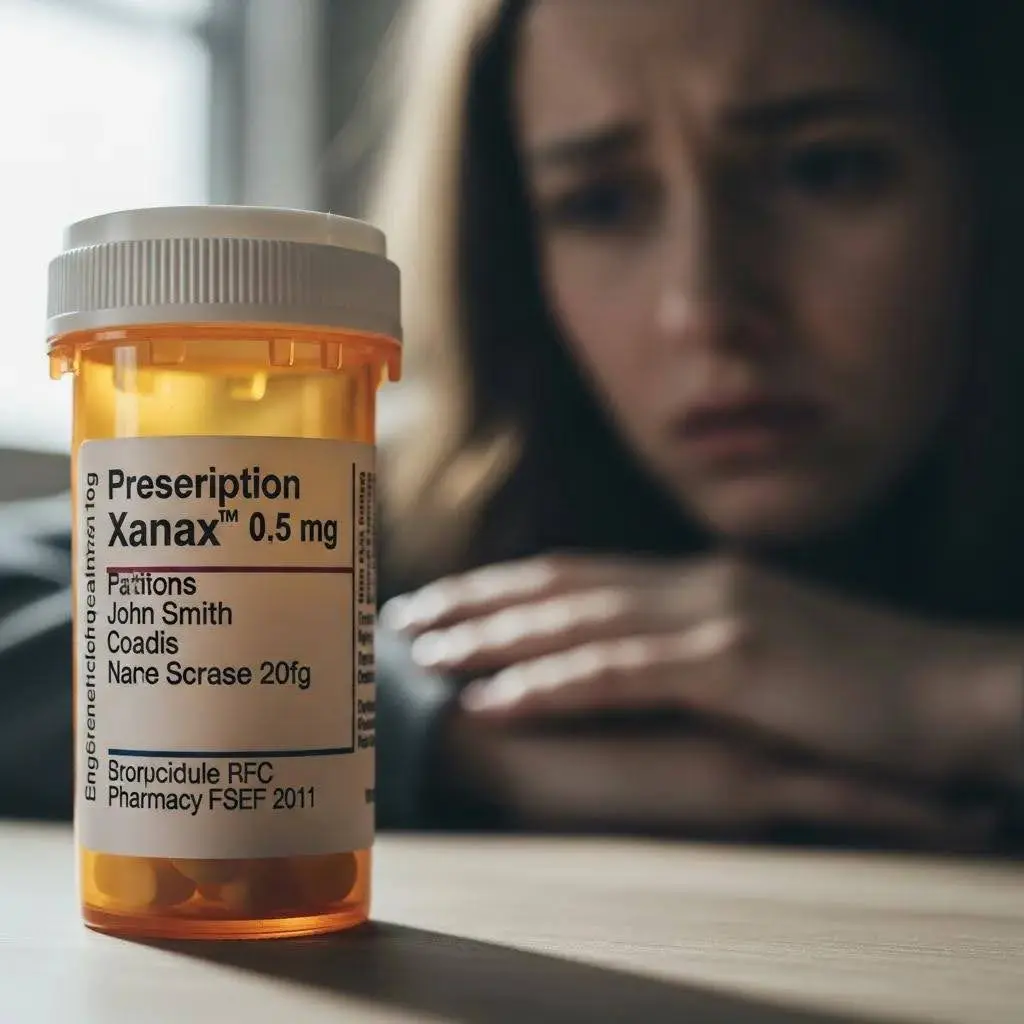
When someone with schizophrenia uses Xanax, clinicians weigh short-term symptom relief against possible harms.
While Xanax can reduce anxiety quickly, its sedative and cognitive effects, along with the risk of dependence and challenging withdrawal, often make it a less suitable option. Understanding these risks helps patients and families make safer treatment decisions.
Psychosis and Symptom-Worsening Concerns With Xanax
There is limited evidence that Xanax directly causes psychosis. However, benzodiazepines can increase sedation and cognitive slowing, which may mask important symptoms or reduce engagement in therapy.
When the drug’s effect wears off, some people experience rebound anxiety or agitation, a pattern that can make symptom control harder. For these reasons, careful monitoring is essential if a benzodiazepine is used in a person with schizophrenia.
Xanax Dependence and Withdrawal Risks
Dependence on Xanax can develop quickly, especially with prolonged use or higher doses. Withdrawal may bring increased anxiety, insomnia, irritability, and, in severe cases, seizures. [4]
For a person with schizophrenia, withdrawal can destabilize mental health and trigger crises. Any taper or discontinuation should be carried out under medical supervision and with support to reduce these risks.
How Is Dual Diagnosis Treatment Used for Schizophrenia and Xanax Addiction?

Importance of Integrated Dual Diagnosis Treatment
Integrated dual diagnosis care treats mental illness and substance use disorders at the same time because the two conditions interact and influence each other. ‘
People with schizophrenia may use substances like Xanax to self-medicate anxiety, which can create a cycle of dependence that worsens psychiatric symptoms. Addressing both disorders together reduces relapse risk and improves long-term outcomes.
Medically Supervised Xanax Detox Process
Medically supervised detox for Xanax is a structured process that prioritizes safety and symptom control. [5] It typically includes a gradual taper to reduce withdrawal symptoms, close medical monitoring for complications, and concurrent mental health support for anxiety or psychosis.
Programs that specialize in dual diagnosis care coordinate medication management, therapy, and social supports to minimize risk during this vulnerable period.
Where Can Individuals with Schizophrenia and Xanax Misuse Find Support?
Getting the right help is essential for people facing both schizophrenia and misuse of Xanax. Treatment should combine medical care, therapy, and social supports tailored to the person’s psychiatric needs and substance use history. Local clinics, specialty addiction centers, and hospitals with dual diagnosis expertise can all play a role.
Charles River Recovery Treatment Programs
Charles River Recovery offers evidence-based treatment for Xanax detox in Massachusetts and co-occurring mental health conditions (dual diagnosis care). [6]
Our programs include medically supervised detox, individual and group therapy, and integrated dual diagnosis care designed to address both addiction and psychiatric symptoms. We aim to create a safe, structured path toward stability and recovery.
Family Support for Dual Diagnosis Recovery
Families are often a person’s strongest resource in recovery. Practical steps include learning about both schizophrenia and substance use, keeping open lines of compassionate communication, participating in family therapy, and helping connect loved ones with consistent medical and community supports.
A well-informed, supportive family environment supports recovery.
| Risk Factor | Description | Impact Level |
|---|---|---|
| Psychosis Exacerbation | Benzodiazepines may increase sedation and cognitive impairment, which can complicate schizophrenia care. | High |
| Dependence | Dependence can develop rapidly and interfere with psychiatric treatment. | High |
| Withdrawal Symptoms | Withdrawal can include severe anxiety, insomnia, and in rare cases, seizures, risking destabilization. | Medium |
The table above summarizes the main risks of using Xanax in people with schizophrenia and highlights the need for careful, clinically supervised approaches and safer alternatives when possible.
While Xanax can ease anxiety quickly, its risks, dependence, withdrawal, sedation, and potential to interfere with psychiatric care mean it must be used with great caution in people with schizophrenia.
Integrated, dual diagnosis treatment and supervised detox offer safer paths to stability. If you or a family member is struggling, centers like Charles River Recovery can help coordinate the care you need.
Frequently Asked Questions
Can Xanax Be Used Safely in Combination with Antipsychotic Medications?
Combining Xanax with antipsychotics requires close medical oversight. For some patients, a short course of a benzodiazepine may help manage acute anxiety, but the combination can increase sedation and cognitive side effects. Providers weigh risks and benefits case by case and monitor closely for adverse effects.
What Alternatives to Xanax Are Available for Managing Anxiety in Schizophrenia?
Safer alternatives often include non-benzodiazepine medications, such as selective serotonin reuptake inhibitors (SSRIs) or buspirone, which carry lower risks of dependence.
Psychotherapy, especially cognitive-behavioral therapy (CBT) tailored for psychosis and anxiety, is also effective and avoids medication-related risks. Treatment plans should be individualized in collaboration with a clinician.
How Can Individuals Recognize If They Are Developing a Dependence on Xanax?
Signs of dependence include needing larger doses to get the same effect, using the medication more often than prescribed, feeling irritable or anxious when not taking it, and difficulty stopping the medication. If any of these occur, seek medical advice promptly to plan a safe taper and alternative supports.
What Role Does Therapy Play in the Treatment of Dual Diagnosis?
Therapy is central. Individual counseling, group therapy, and family therapy address both substance use and psychiatric symptoms, help build coping skills, and reduce relapse risk. Integrated therapy that targets the interaction between disorders can improve outcomes for dual diagnosis patients.
Disclaimer:
This article is for general information only and does not replace professional medical, legal, financial, or insurance advice. Policies, prices, and coverage vary. Always consult qualified professionals and your specific provider before making decisions.
Reference
- https://www.ncbi.nlm.nih.gov/books/NBK538165/
- https://pmc.ncbi.nlm.nih.gov/articles/PMC3122284/
- https://dailymed.nlm.nih.gov/dailymed/drugInfo.cfm?setid=f667458d-ddda-4e9e-e053-2995a90adb5a
- https://dailymed.nlm.nih.gov/dailymed/drugInfo.cfm?audience=consumer&setid=c4520457-0b0e-493f-805c-c04a788268ee
- https://www.asam.org/quality-care/clinical-guidelines/benzodiazepine-tapering
- https://www.charlesriverrecovery.com/