
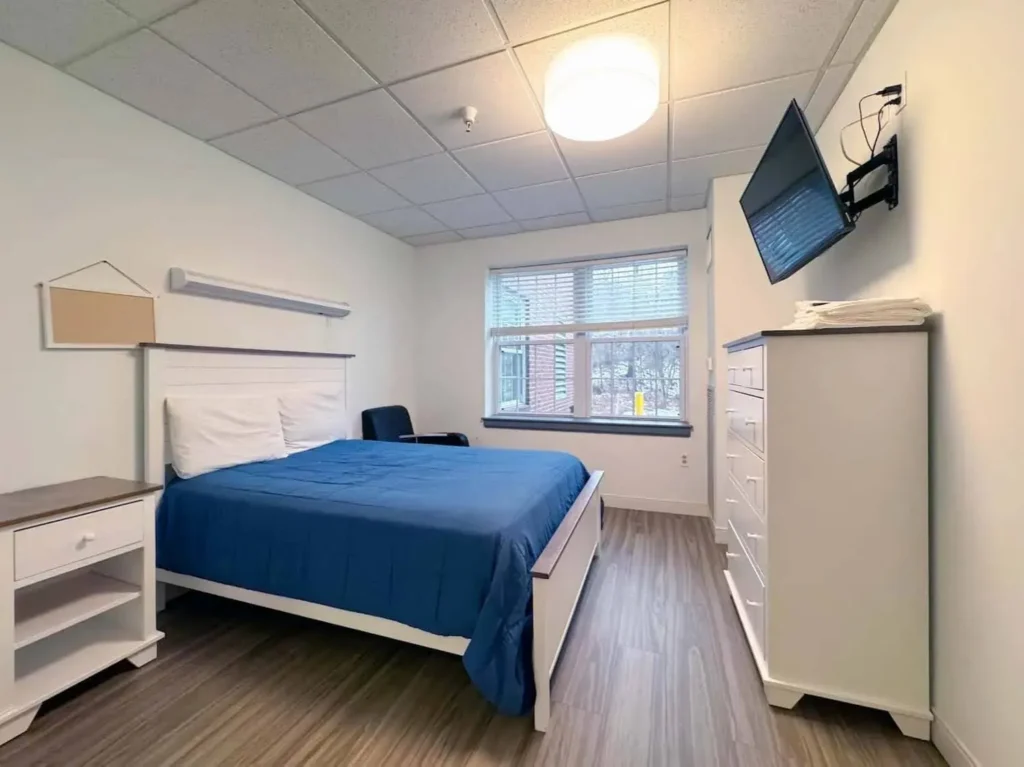
Finding the right sober living home in Massachusetts can be a crucial step in the recovery journey for individuals overcoming addiction.
In this guide, we aim to provide comprehensive insights into the various aspects of sober living homes, including their licensing, affordability, and the resources available to assist in the search. Many individuals and families face challenges in navigating the options available, often feeling overwhelmed by the choices and requirements.
What Are Sober Living Homes and How Do They Support Addiction Recovery in Massachusetts?
Sober living homes are structured environments designed to support individuals in recovery from addiction. These homes provide a safe space where residents can focus on their recovery while developing essential life skills. [1]
The primary goal of sober living homes is to create a supportive community that encourages accountability and personal growth.
Features of Sober Living Homes
Sober living homes typically offer several key features that contribute to a successful recovery experience:
- Structured Environment: Residents follow established rules and guidelines that promote a healthy lifestyle.
- Peer Support: Living with others in recovery fosters a sense of community and shared understanding. [2]
- Access to Resources: Many homes provide connections to counseling, job training, and educational opportunities.
These features create a foundation for individuals to rebuild their lives and maintain sobriety.
Benefits of Sober Living Homes
The benefits of sober living homes extend beyond just providing a place to stay. They offer:
- Supportive Community: Residents benefit from the camaraderie and encouragement of peers who understand their struggles. [3]
- Accountability: The structured environment helps individuals stay committed to their recovery goals.
- Access to Resources: Many sober living homes facilitate connections to essential services, such as therapy and job placement.
These advantages make sober living homes a critical component of the recovery process.
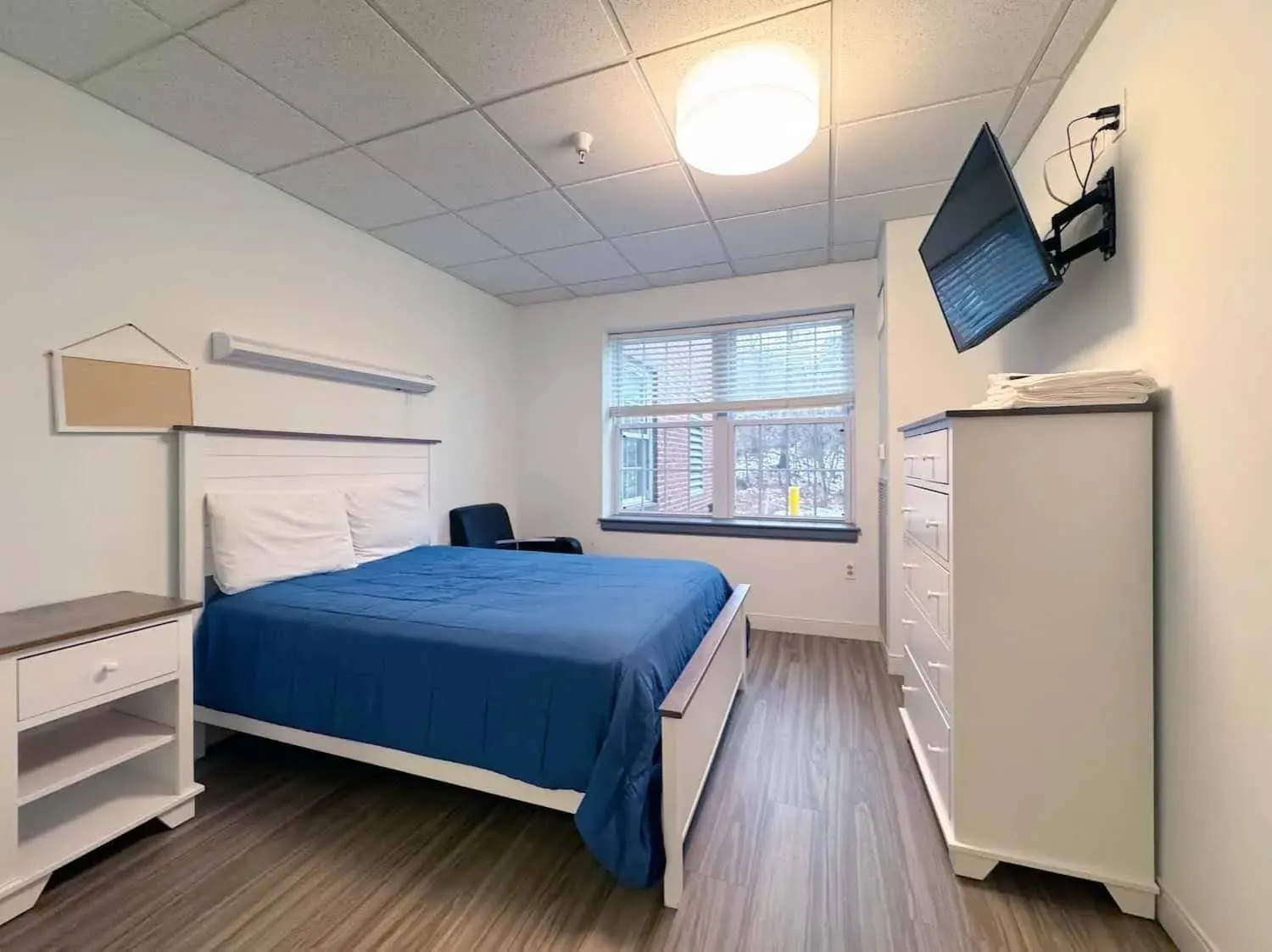
How Can You Find the Best and Most Affordable Sober Living Homes Near Me in Massachusetts?
Finding the best and most affordable sober living homes involves several key considerations. Individuals should evaluate their specific needs, including location, cost, and the level of support required.
Researching local options and reaching out to treatment providers or recovery organizations can provide valuable insights into available resources.
Key Factors to Consider When Choosing Massachusetts Sober Homes
When selecting a sober living home, consider the following factors:
- Location: Proximity to support services and community resources can enhance recovery.
- Cost: Evaluate the affordability of the home and available financial assistance options.
- Support Services: Look for homes that offer additional resources, such as counseling and job training.
These factors can significantly impact the overall recovery experience.
Understanding Cost, Financial Aid, and Affordability Options
The cost of sober living homes can vary widely, making it essential to understand the financial landscape. Payment options vary by home, and some programs may offer financial assistance.
It is crucial to gather documentation for applications, as this can streamline the process of securing financial assistance. Understanding the financial landscape can help individuals make informed decisions about their recovery journey.
What Are the Eligibility Criteria and Application Process for Sober Living Programs in Massachusetts?
Eligibility criteria for sober living programs vary by home but often include house-rule compliance, an interview, and a commitment to recovery. [4]
Individuals must demonstrate a commitment to their recovery and be willing to engage in the program actively. The application process may involve submitting documentation and attending an interview to assess fit for the program.
Qualifies for Placement in Certified Sober Living Facilities
Placement in certified sober living facilities is generally available to individuals who meet specific eligibility criteria. These criteria often include:
- Clinical Need: Individuals must demonstrate a need for continued support in their recovery journey.
- Documentation: Proof of residency and income may be required during the application process.
- Commitment to Recovery: A willingness to engage in the recovery process is essential for placement.
Steps to Apply and Integrate with Ongoing Addiction Recovery Services
Applying for sober living homes involves several steps to ensure a smooth transition into recovery. Individuals should:
- Contact local treatment providers or recovery organizations: Ask about available sober living options.
- Gather Necessary Documentation: Prepare proof of income, insurance information, and any other required documents.
- Submit Application: Complete the application process for the chosen sober living home.
Integrating with ongoing addiction recovery services is crucial for long-term success. Many sober living homes facilitate connections to counseling and support groups, ensuring individuals have the resources they need to maintain sobriety. [5]
How Does Charles River Recovery Assist with Aftercare Support and Sober Living Referrals?
Charles River Recovery can assist individuals with aftercare planning and sober living referrals when appropriate. They offer personalized treatment plans that cater to the unique needs of each individual, ensuring a tailored approach to recovery.
Eligibility Criteria at Charles River Recovery
To access services from Charles River Recovery, individuals typically begin with an admissions process that may include an assessment and insurance review:
- Admissions Assessment: Charles River Recovery evaluates each person’s treatment needs during admissions.
- Clinical Review: Care recommendations are based on each individual’s clinical needs.
- Insurance and Payment Review: The admissions team can discuss coverage, benefits, and payment options.
Family Support Resources and Relapse Prevention Housing Options
Family involvement is crucial in the recovery process, providing emotional support and accountability. Various resources are available to assist families in navigating the challenges of addiction recovery. Relapse prevention housing options also play a vital role in ensuring individuals have a safe and supportive environment as they transition back into everyday life.
By understanding the various aspects of sober living homes and the resources available, individuals and families can make informed decisions that support successful recovery journeys.
How Charles River Recovery Supports Your Recovery
At Charles River Recovery, we are dedicated to supporting individuals throughout their recovery journey by providing expert guidance in sober living placement and aftercare services.
We understand the challenges faced when seeking licensed, affordable transitional housing, and we work closely with clients to tailor personalized treatment plans that meet their unique needs.
Our team connects individuals with community resources, support groups, and financial aid options to ensure a smooth transition into sober living environments. By partnering with us, you gain access to compassionate care and comprehensive support designed to foster long-term sobriety and personal growth.
Frequently Asked Questions
What should I look for in a sober living home?
When searching for a sober living home, consider factors such as location, cost, and the level of support provided. Look for homes that offer a structured environment, peer support, and access to resources like counseling and job training. It’s also important to check if the home is MASH-certified or meets other applicable standards, as this can help you assess compliance with health and safety standards. Visiting the facility and speaking with current residents can provide valuable insights into the home’s atmosphere and effectiveness in supporting recovery.
How long can I stay in a sober living home?
The duration of stay in a sober living home can vary widely depending on individual needs and the specific policies of the facility. Typically, residents can stay from a few months to over a year. Many homes encourage residents to remain until they feel fully prepared to transition back to independent living. It’s essential to communicate with the staff about your recovery goals and any concerns regarding your length of stay, as they can provide guidance tailored to your situation.
Are sober living homes suitable for individuals with co-occurring disorders?
Yes, some sober living homes are equipped to support individuals with co-occurring disorders, which include both substance use and mental health issues. It’s crucial to choose a facility that understands these complexities and offers appropriate resources. Look for homes that provide access to mental health services, counseling, and support groups or referrals for dual-diagnosis care. This comprehensive approach can significantly enhance the recovery experience and help individuals manage both their addiction and mental health challenges effectively.
What role do family members play in the recovery process?
Family members play a vital role in the recovery process by providing emotional support, accountability, and encouragement. Their involvement can help create a stable environment conducive to recovery. Many sober living homes or partner treatment programs offer family support resources, including counseling and educational programs, to help families understand addiction and recovery. Engaging family members in the recovery journey can strengthen relationships and foster a supportive network, which is essential for long-term sobriety.
Disclaimer:
This article is for general information only and does not replace professional medical, legal, financial, or insurance advice. Policies, prices, and coverage vary. Always consult qualified professionals and your specific provider before making decisions.
References
- https://narronline.org/wp-content/uploads/2024/05/NARR-Standard-3.0.pdf
- https://narronline.org/wp-content/uploads/2025/03/Building-Recovery-Toolkit.pdf
- https://pmc.ncbi.nlm.nih.gov/articles/PMC5047716/
- https://narronline.org/wp-content/uploads/2024/05/Primer-on-Recovery-Residences.pdf
- https://narronline.org/wp-content/uploads/2024/05/Primer-on-Recovery-Residences.pdf