Understanding the Stages of Alcohol Rehabilitation
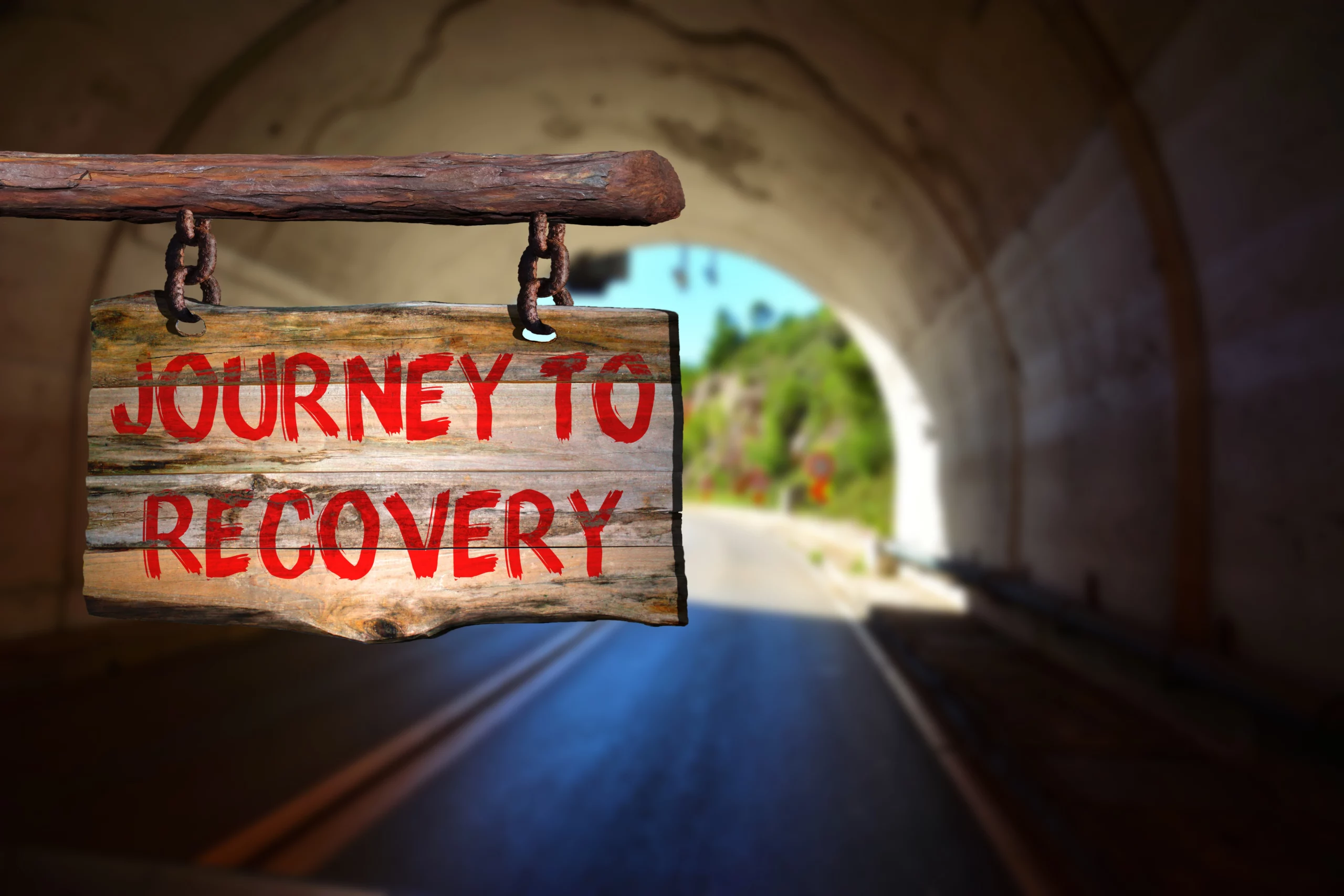
Alcohol rehabilitation typically involves several stages that guide individuals through their recovery journey. These stages often include assessment, detoxification, therapy, and aftercare, each playing a crucial role in helping individuals overcome their addiction.
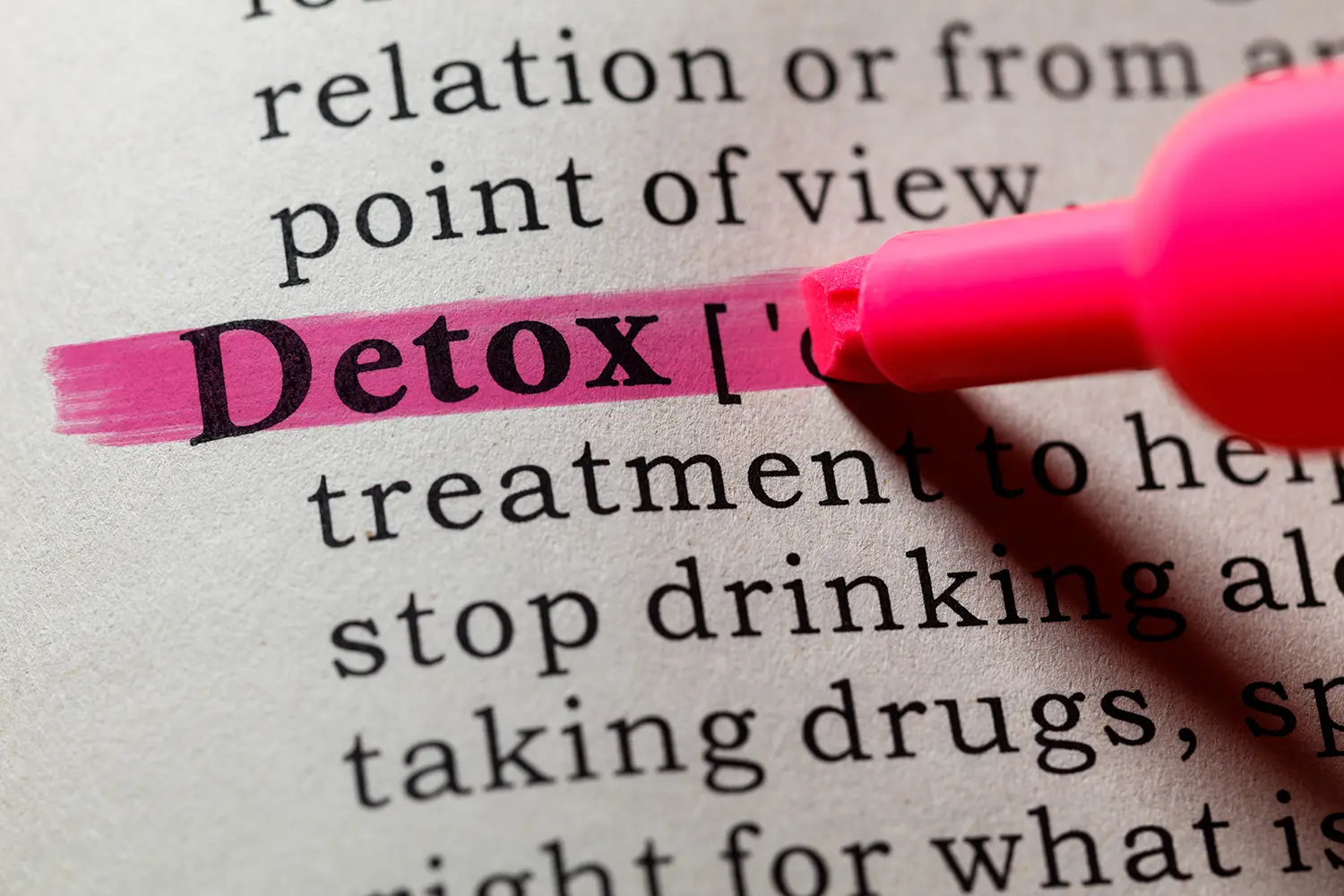
During the assessment stage, professionals evaluate the severity of the addiction and develop a personalized treatment plan. Detoxification follows, where the body is allowed to rid itself of alcohol under medical supervision. This is often followed by various therapeutic approaches, including individual and group counseling, aimed at addressing the psychological aspects of addiction.
Common Myths About Alcohol Addiction
There are numerous myths surrounding alcohol addiction that can hinder individuals from seeking help. One prevalent myth is that addiction is merely a lack of willpower, which oversimplifies a complex disease that affects brain chemistry and behavior.
Another common misconception is that detox alone is sufficient for recovery. In reality, while detox is an essential first step, ongoing therapy and support are critical for long-term sobriety. Understanding these myths can empower individuals to seek the comprehensive care they need to overcome alcohol dependency.
The Importance of Aftercare in Recovery
Aftercare is a vital component of the recovery process, providing ongoing support and resources to individuals after they complete a rehabilitation program. It helps to prevent relapse by reinforcing the skills learned during treatment and connecting individuals with support networks.
Aftercare may include participation in support groups, continued therapy sessions, and access to community resources. These elements are crucial for maintaining sobriety and addressing any challenges that may arise during the recovery journey.
Signs You or a Loved One May Need Help
Recognizing the signs of alcohol addiction is the first step toward seeking help. Common indicators include a strong craving for alcohol, an inability to control drinking habits, and neglecting responsibilities due to alcohol use.
Additionally, changes in behavior, such as increased secrecy or withdrawal from social activities, can signal a problem. If you or someone you know is exhibiting these signs, it may be time to reach out for professional assistance and explore treatment options.
Understanding the Stages of Alcohol Rehabilitation
Alcohol rehabilitation typically involves several stages that guide individuals through their recovery journey. These stages often include assessment, detoxification, therapy, and aftercare, each playing a crucial role in helping individuals overcome their addiction.
During the assessment stage, professionals evaluate the severity of the addiction and develop a personalized treatment plan. Detoxification follows, where the body is allowed to rid itself of alcohol under medical supervision. This is often followed by various therapeutic approaches, including individual and group counseling, aimed at addressing the psychological aspects of addiction.
Common Myths About Alcohol Addiction
There are numerous myths surrounding alcohol addiction that can hinder individuals from seeking help. One prevalent myth is that addiction is merely a lack of willpower, which oversimplifies a complex disease that affects brain chemistry and behavior.
Another common misconception is that detox alone is sufficient for recovery. In reality, while detox is an essential first step, ongoing therapy and support are critical for long-term sobriety. Understanding these myths can empower individuals to seek the comprehensive care they need to overcome alcohol dependency.
The Importance of Aftercare in Recovery
Aftercare is a vital component of the recovery process, providing ongoing support and resources to individuals after they complete a rehabilitation program. It helps to prevent relapse by reinforcing the skills learned during treatment and connecting individuals with support networks.
Aftercare may include participation in support groups, continued therapy sessions, and access to community resources. These elements are crucial for maintaining sobriety and addressing any challenges that may arise during the recovery journey.
Signs You or a Loved One May Need Help
Recognizing the signs of alcohol addiction is the first step toward seeking help. Common indicators include a strong craving for alcohol, an inability to control drinking habits, and neglecting responsibilities due to alcohol use.
Additionally, changes in behavior, such as increased secrecy or withdrawal from social activities, can signal a problem. If you or someone you know is exhibiting these signs, it may be time to reach out for professional assistance and explore treatment options.