Understanding the Impact of the Opioid Crisis on Families
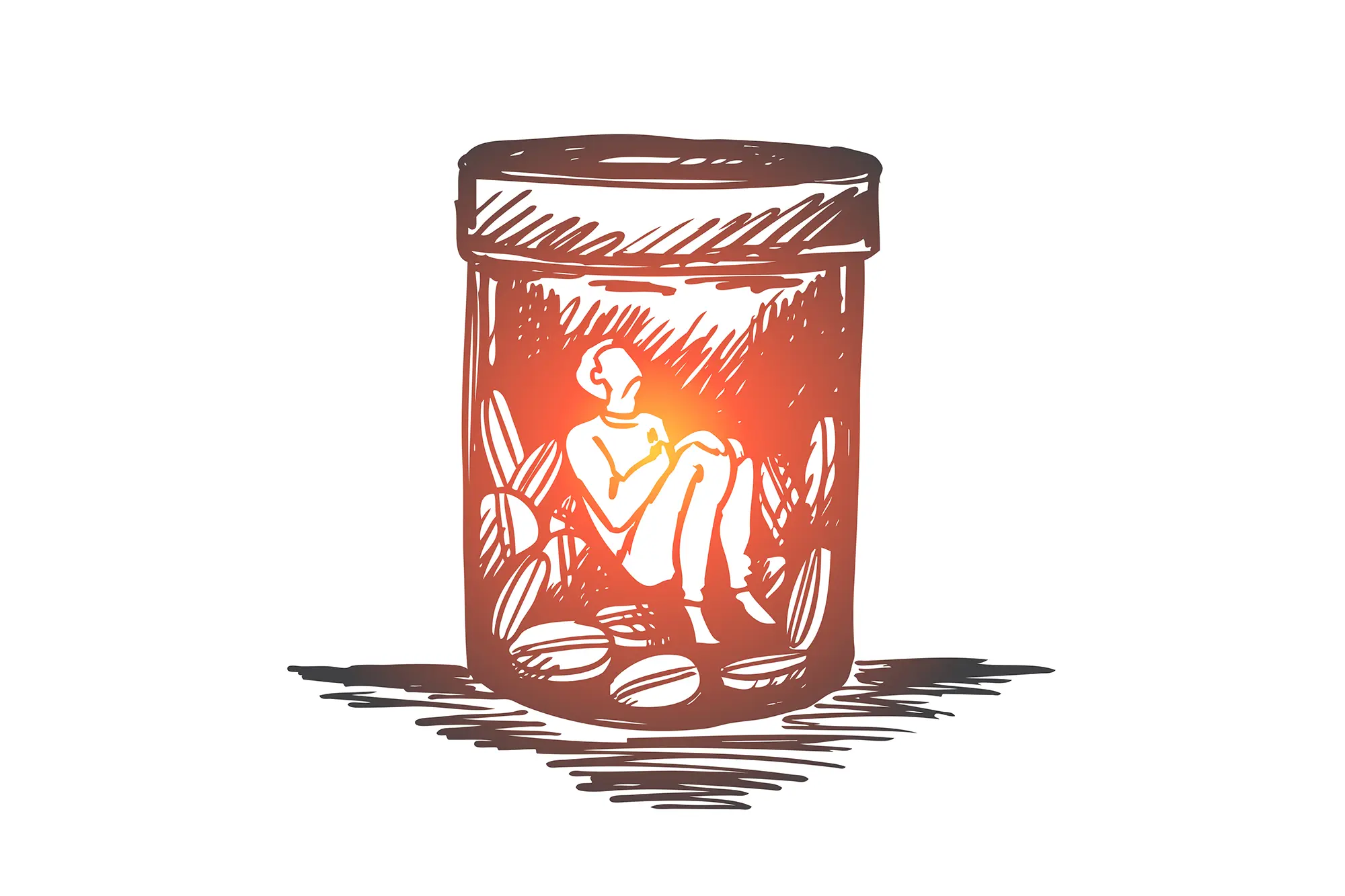
The opioid crisis has far-reaching consequences that extend beyond individual users, deeply affecting families and communities. Families often experience emotional turmoil, financial strain, and social stigma as they navigate the challenges posed by a loved one's addiction.
Research indicates that family members of individuals struggling with opioid addiction may face increased rates of anxiety and depression. Support systems, such as family therapy and community resources, can play a crucial role in helping families cope and heal together during these difficult times.
Effective Treatment Options for Opioid Addiction
There are various treatment options available for individuals battling opioid addiction, ranging from medication-assisted treatment (MAT) to behavioral therapies. MAT often includes the use of medications like methadone or buprenorphine to help manage withdrawal symptoms and cravings, combined with counseling and support.
Behavioral therapies, such as cognitive-behavioral therapy (CBT) and contingency management, have been proven effective in treating opioid addiction. These treatments focus on changing harmful behaviors and developing coping strategies, making them vital components of a comprehensive recovery plan.
Signs of Opioid Overdose: Recognizing the Warning Signs
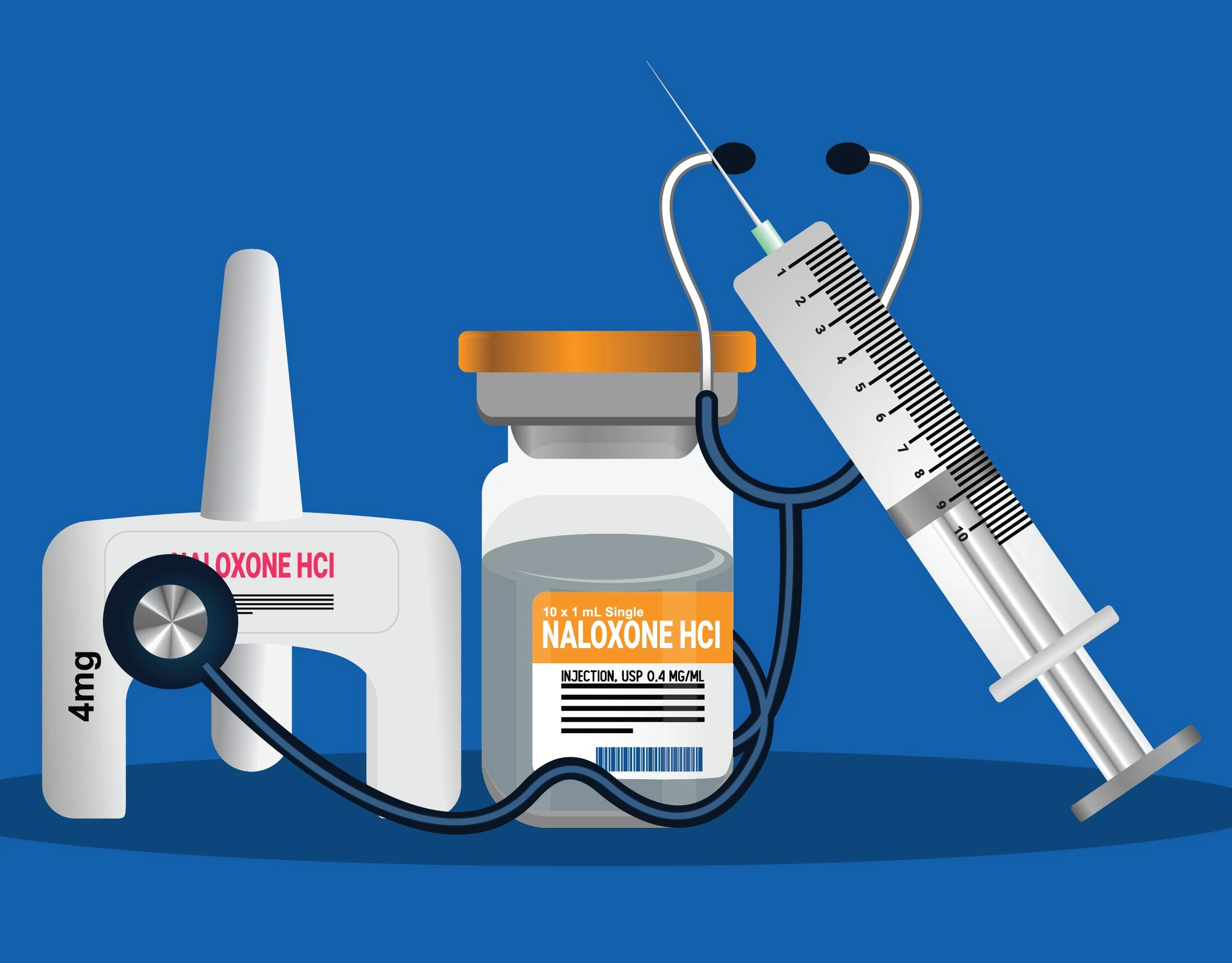
Recognizing the signs of an opioid overdose is crucial for timely intervention and can save lives. Common symptoms include slowed or difficult breathing, unresponsiveness, and a pale or clammy appearance. Immediate action, such as administering naloxone (Narcan), can reverse the effects of an overdose.
It is essential for friends and family of opioid users to be educated on overdose signs and how to respond effectively. Training sessions on how to use naloxone and the importance of calling emergency services can empower loved ones to act quickly in crisis situations.
Building a Support Network for Recovery
A strong support network is vital for individuals in recovery from opioid addiction. This network can include family, friends, support groups, and professional counselors who provide encouragement and understanding throughout the recovery journey.
Participating in support groups, such as Narcotics Anonymous (NA) or SMART Recovery, can help individuals connect with others facing similar challenges. These groups foster a sense of community and accountability, which are essential for maintaining long-term sobriety and personal growth.