
Regular exercise can be a powerful part of addiction recovery, offering benefits that go far beyond physical fitness. [1] It can improve mood, ease stress, reduce cravings, and support a healthier daily routine. For many people in recovery, movement also helps with anxiety, depression, and emotional balance.
Today, this article explores how exercise affects brain chemistry, supports neuroplasticity, and strengthens long-term sobriety.
It also looks at the types of physical activity that may be most helpful, along with simple routine ideas. We will also cover how fitness-based rehab programs, including those at Charles River Recovery, can be integrated into personalized treatment plans.

How Does Exercise Influence Brain Chemistry in Addiction Recovery?
Exercise significantly impacts brain chemistry, particularly in the context of addiction recovery. Physical activity promotes the release of endorphins, neurotransmitters that enhance mood and create feelings of pleasure. [2]
This biochemical response not only improves emotional well-being but also helps reduce cravings associated with substance use. Furthermore, regular exercise has been shown to enhance cognitive function, which is crucial for individuals working to rebuild their lives after addiction. [3]
By fostering a positive mental state, exercise becomes a vital component of the recovery process.
Neuroplasticity and Recovery Through Exercise

Neuroplasticity refers to the brain’s ability to adapt and reorganize itself in response to new experiences. Exercise plays a crucial role in enhancing neuroplasticity, which is particularly beneficial for individuals in recovery.
Engaging in physical activity stimulates the production of brain-derived neurotrophic factor (BDNF), a protein that supports the growth and survival of neurons.
This process helps the brain form new connections and pathways, facilitating recovery from the cognitive impairments often associated with addiction. By promoting neuroplasticity, exercise aids individuals in developing healthier thought patterns and behaviors.
Exercise, Dopamine Regulation, and Craving Reduction
Exercise is known to regulate dopamine levels, a neurotransmitter closely linked to pleasure and reward. In individuals recovering from addiction, maintaining balanced dopamine levels is essential for reducing cravings and preventing relapse. [4]
Physical activity stimulates dopamine production, which can help counteract the deficits caused by substance abuse.
Over time, regular exercise can lead to more stable dopamine levels, making it easier for individuals to manage their cravings and maintain sobriety. This regulation of dopamine not only supports recovery but also enhances overall mental health.
Which Types of Physical Activity Best Support Sobriety and Mental Health?
Various types of physical activities can effectively support sobriety and mental health during recovery. Some of the most beneficial forms include:
- Cardio Exercise: Activities such as running, cycling, and swimming increase heart rate and promote endorphin release, enhancing mood and reducing stress. [5]
- Yoga: This practice combines physical movement with mindfulness, helping individuals manage anxiety and improve emotional regulation.
- Strength Training: Building muscle through resistance exercises can boost self-esteem and provide a sense of accomplishment, which is vital in recovery.
Incorporating a mix of these activities can create a well-rounded fitness routine that addresses both physical and mental health needs.
Recommended Exercise Routines for Addiction Recovery
Structured exercise routines can significantly enhance recovery outcomes. Here are some recommended routines that individuals in recovery can consider:
- Daily Walks: A simple yet effective way to incorporate physical activity into daily life, promoting cardiovascular health and mental clarity.
- Group Fitness Classes: Participating in classes fosters social connections and accountability, which are essential for maintaining sobriety.
- Mindfulness-Based Exercises: Activities like yoga or tai chi that emphasize mindfulness can help individuals develop coping strategies for stress and cravings. [6]
These routines not only support physical health but also create a sense of community and belonging, which is crucial for long-term recovery.
What Are the Features of Fitness Rehab Programs at Charles River Recovery?
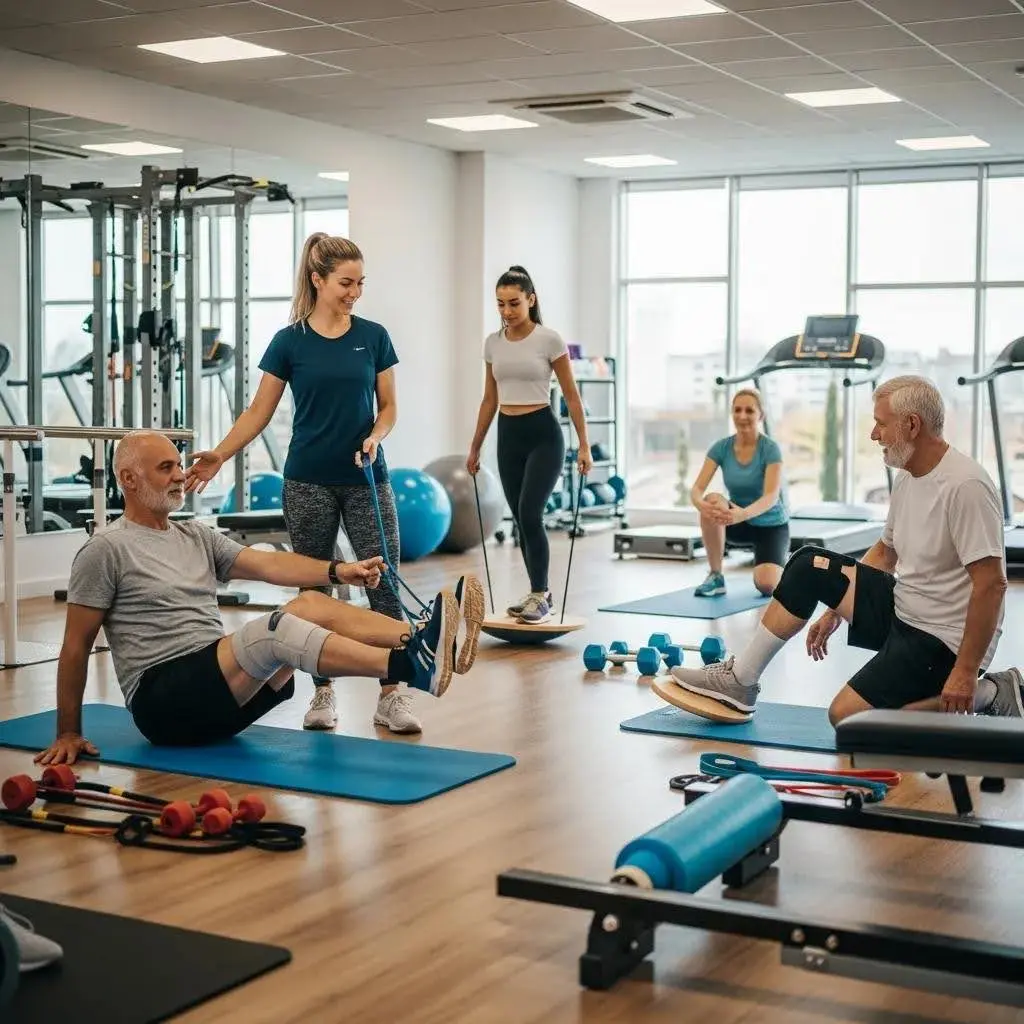
Charles River Recovery offers specialized fitness rehabilitation programs designed to support individuals in their recovery journey. [7] Key features of these programs include:
- Medical Supervision: Ensuring safety and effectiveness during exercise routines, particularly for those with underlying health conditions.
- Holistic Approaches: Integrating physical wellness with mental health support, addressing the whole person rather than just the addiction.
- Personalized Plans: Tailoring fitness regimens to meet individual needs and preferences, enhancing engagement and adherence.
These features make Charles River Recovery’s programs a valuable resource for those seeking to incorporate fitness into their recovery process.
What Evidence Supports Fitness Rehab for Relapse Prevention?
Research indicates that fitness rehabilitation can play a significant role in relapse prevention. Structured exercise routines limit idle time, which is often a trigger for cravings and relapse.
Additionally, engaging in physical activity fosters social support, reducing feelings of isolation that can accompany recovery. Studies have shown that individuals who participate in regular exercise are less likely to relapse compared to those who do not. This evidence underscores the importance of incorporating fitness into recovery strategies.
Exercise for Mental Health and Relapse Prevention
Exercise contributes to mental health by improving emotional stability and reducing symptoms of anxiety and depression. Regular physical activity has been linked to lower levels of stress and improved mood, which are critical factors in maintaining sobriety.
Furthermore, exercise provides a constructive outlet for managing emotions, helping individuals cope with the challenges of recovery. By enhancing mental health, exercise serves as a protective factor against relapse, making it an essential element of a comprehensive recovery plan.
Emotional Benefits of Physical Activity During Recovery
Physical activity offers several emotional benefits that are particularly valuable during recovery. These include:
- Mood Enhancement: The release of endorphins during exercise can lead to improved mood and reduced feelings of sadness.
- Increased Self-Esteem: Achieving fitness goals can boost confidence and self-worth, which are often diminished during addiction.
- Stress Relief: Engaging in physical activity provides a healthy outlet for stress, helping individuals manage triggers and cravings.
These emotional benefits highlight the importance of incorporating exercise into recovery strategies.
Frequently Asked Questions
How Can Exercise Improve Social Connections During Recovery?
Exercise can significantly enhance social connections for individuals in recovery. Participating in group fitness classes or team sports fosters a sense of community and belonging, which is crucial for emotional support. These social interactions can help reduce feelings of isolation and loneliness, common challenges faced during recovery. Building relationships with others who share similar goals can also provide accountability and encouragement, making it easier to maintain sobriety. Overall, exercise serves as a platform for forming meaningful connections that support long-term recovery.
What Are The Long-Term Benefits Of Incorporating Exercise Into Recovery?
Incorporating exercise into recovery offers numerous long-term benefits, including improved physical health, enhanced mental well-being, and reduced risk of relapse. Regular physical activity helps maintain a healthy weight, boosts cardiovascular health, and strengthens the immune system. Mentally, exercise can lead to sustained improvements in mood and anxiety levels, contributing to overall emotional stability. Additionally, establishing a consistent exercise routine fosters discipline and resilience, essential traits for navigating the challenges of recovery. These long-term benefits create a solid foundation for a healthier, sober lifestyle.
Can Exercise Help With Managing Triggers And Cravings?
Yes, exercise can be an effective strategy for managing triggers and cravings during recovery. Physical activity helps regulate neurotransmitters like dopamine, which play a crucial role in mood and reward pathways. By engaging in regular exercise, individuals can experience a natural boost in mood and a reduction in stress, both of which are common triggers for cravings. Moreover, exercise provides a constructive outlet for coping with emotional challenges, allowing individuals to redirect their focus and energy away from substance use. This proactive approach can significantly aid in maintaining sobriety.
What Role Does Nutrition Play Alongside Exercise In Recovery?
Nutrition plays a vital role in conjunction with exercise during recovery. A balanced diet provides the necessary nutrients to support physical health, energy levels, and mental clarity. Proper nutrition can enhance the benefits of exercise by fueling the body and aiding in recovery from physical activity. Additionally, certain foods can positively influence brain chemistry, further supporting emotional well-being. Together, a healthy diet and regular exercise create a synergistic effect that promotes overall recovery, helping individuals build a healthier lifestyle and reduce the risk of relapse.
Disclaimer:
This article is for general information only and does not replace professional medical, legal, financial, or insurance advice. Policies, prices, and coverage vary. Always consult qualified professionals and your specific provider before making decisions.
Reference
- https://pmc.ncbi.nlm.nih.gov/articles/PMC11201577/
- https://pmc.ncbi.nlm.nih.gov/articles/PMC4831948/
- https://www.frontiersin.org/journals/psychology/articles/10.3389/fpsyg.2024.1348224/full
- https://pmc.ncbi.nlm.nih.gov/articles/PMC3788047/
- https://pmc.ncbi.nlm.nih.gov/articles/PMC11298280/
- https://www.nccih.nih.gov/health/providers/digest/mind-and-body-approaches-for-stress
- https://www.charlesriverrecovery.com/union-track/