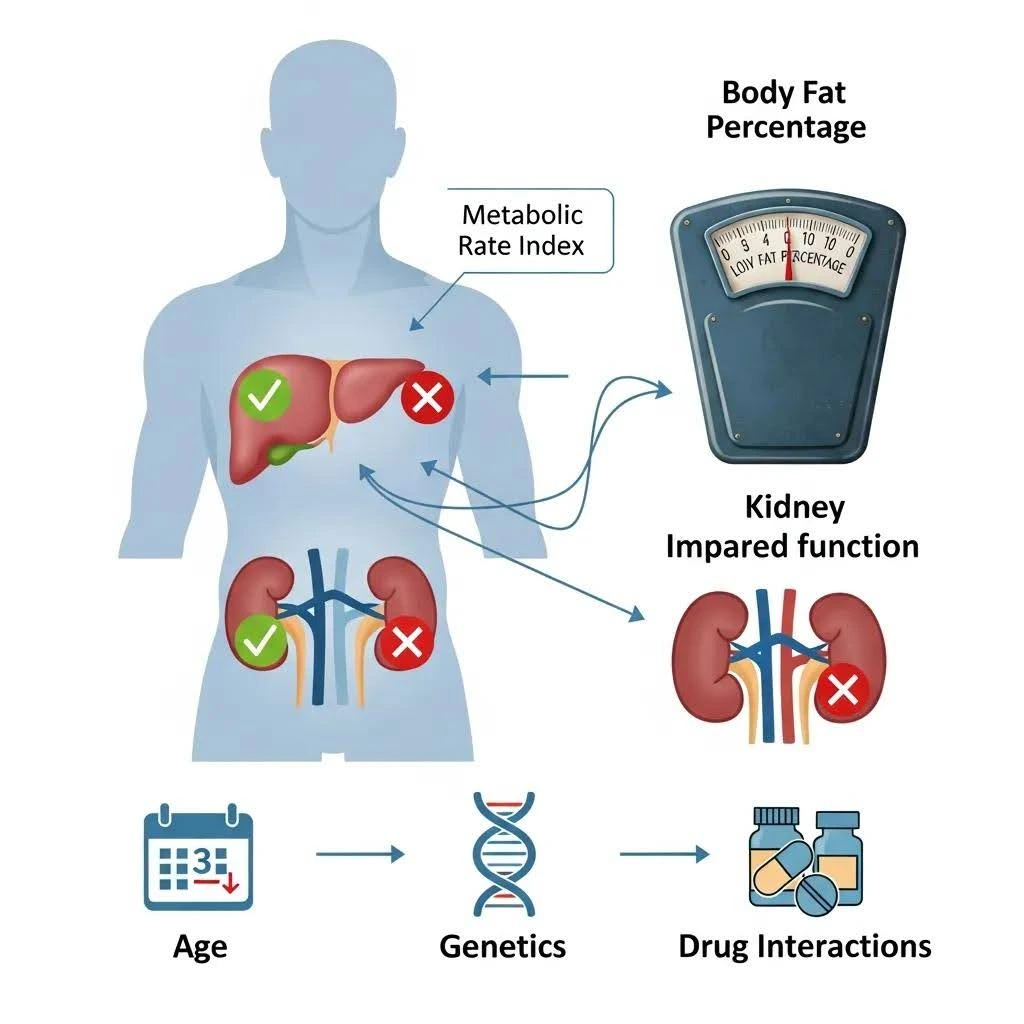
The Importance of Medical Supervision During Detox
Medical supervision is crucial during the detox process as it ensures the safety and well-being of individuals undergoing withdrawal. Detoxification can lead to severe physical and psychological symptoms, making it essential for trained professionals to monitor patients closely.
Healthcare providers can administer medications to alleviate withdrawal symptoms and provide support throughout the process. This medical oversight not only helps manage discomfort but also reduces the risk of complications, making the detox experience more manageable and effective.
Common Myths About Drug Detox
There are several myths surrounding drug detox that can mislead individuals seeking help. One common misconception is that detox is merely a matter of willpower, ignoring the complex physiological and psychological factors involved in addiction recovery.
Understanding these myths is vital for those considering detox, as it prepares them for the realities of the process. For instance, many believe detox is a quick fix, but it often requires time and comprehensive treatment to achieve lasting recovery.
Aftercare Options Following Detox
After completing a detox program, individuals are encouraged to explore aftercare options that support their continued recovery. Aftercare may include outpatient therapy, support groups, and ongoing counseling to address the underlying issues related to substance use.
Engaging in aftercare is crucial as it helps prevent relapse and provides individuals with tools and resources to maintain their sobriety. Programs tailored to the specific needs of recovering individuals can significantly enhance their chances of long-term success.
Understanding Co-occurring Disorders
Co-occurring disorders refer to the simultaneous presence of a substance use disorder and a mental health condition. It is essential to address both issues during detox and treatment to ensure a comprehensive recovery approach.
Effective treatment for co-occurring disorders often involves integrated care that tackles both the addiction and mental health challenges. This holistic approach can lead to better outcomes and a more stable recovery journey for individuals facing these dual challenges.