
Co-occurring gambling addiction and substance use disorders present unique challenges for individuals seeking recovery. These intertwined conditions can complicate treatment [1], making it essential to understand their dynamics and the available therapeutic approaches.
In this guide, we delve into the nature of co-occurring disorders, effective treatment modalities, and the role of family support in recovery. By exploring these aspects, readers will gain insights into how integrated treatment programs can facilitate healing and long-term recovery.
We will also highlight the admission process and unique offerings at Charles River Recovery, a specialized addiction treatment provider in Massachusetts.

What Are Co-Occurring Gambling and Substance Use Disorders?
Co-occurring gambling and substance use disorders refer to the simultaneous presence of gambling addiction and substance abuse issues in an individual. [2]
This dual diagnosis complicates treatment, as each disorder can exacerbate the other, leading to more severe psychological and emotional distress. Understanding the symptoms and risk factors associated with these disorders is crucial for effective intervention and recovery.
Gambling Addiction Diagnosed Alongside Substance Abuse
Diagnosing gambling addiction alongside substance abuse involves a comprehensive assessment that includes specific diagnostic criteria.
Mental health professionals utilize tools such as the DSM-5 criteria for gambling disorder, which includes patterns of behavior like preoccupation with gambling, unsuccessful attempts to control gambling, and continued gambling despite negative consequences.
Recognizing the importance of dual diagnosis is vital, as it allows for tailored treatment plans that address both issues simultaneously.
Common Risk Factors and Symptoms
Several risk factors contribute to the development of co-occurring gambling and substance use disorders. These include a family history of addiction, mental health issues such as anxiety or depression [3], and environmental influences like peer pressure.
Common symptoms may include financial problems due to gambling, withdrawal symptoms from substances, and emotional instability. Identifying these factors early can significantly impact treatment outcomes and recovery success.
Which Integrated Treatment Approaches Address Gambling and Substance Abuse?
Integrated treatment approaches are essential for effectively addressing both gambling addiction and substance use disorders. These methods focus on treating the individual as a whole, rather than isolating each disorder.
Cognitive Behavioral Therapy Supports Dual Diagnosis Recovery

Cognitive Behavioral Therapy (CBT) is a cornerstone of treatment for dual diagnosis recovery. It helps individuals identify and change negative thought patterns and behaviors associated with both gambling and substance use.
CBT techniques, such as cognitive restructuring and exposure therapy, have proven effective in reducing cravings and preventing relapse. By addressing the underlying cognitive distortions, patients can develop healthier coping mechanisms and improve their overall mental health.
Behavioral Therapies Effective for Co-Occurring Disorders
In addition to CBT, several other behavioral therapies are effective for treating co-occurring disorders. These include Motivational Interviewing, which enhances an individual’s motivation to change [4], and Dialectical Behavior Therapy (DBT), which focuses on emotional regulation and interpersonal effectiveness.
Each of these therapies can be integrated into a comprehensive treatment plan, providing patients with a robust support system for their recovery journey.
How Does Family Support Enhance Recovery in Gambling Addiction Rehab?
Family support plays a crucial role in the recovery process for individuals struggling with gambling addiction and substance use disorders. Engaging family members in treatment can foster a supportive environment that encourages healing and accountability. [5]
Role of Family Therapy in Integrated Treatment Programs
Family therapy is an integral component of integrated treatment programs. It addresses family dynamics and communication patterns that may contribute to an individual’s addiction.
Through structured sessions, families can learn to support their loved ones effectively, set healthy boundaries, and improve overall family functioning. This therapeutic approach not only benefits the individual in recovery but also strengthens familial relationships.
Families Support Long-Term Relapse Prevention
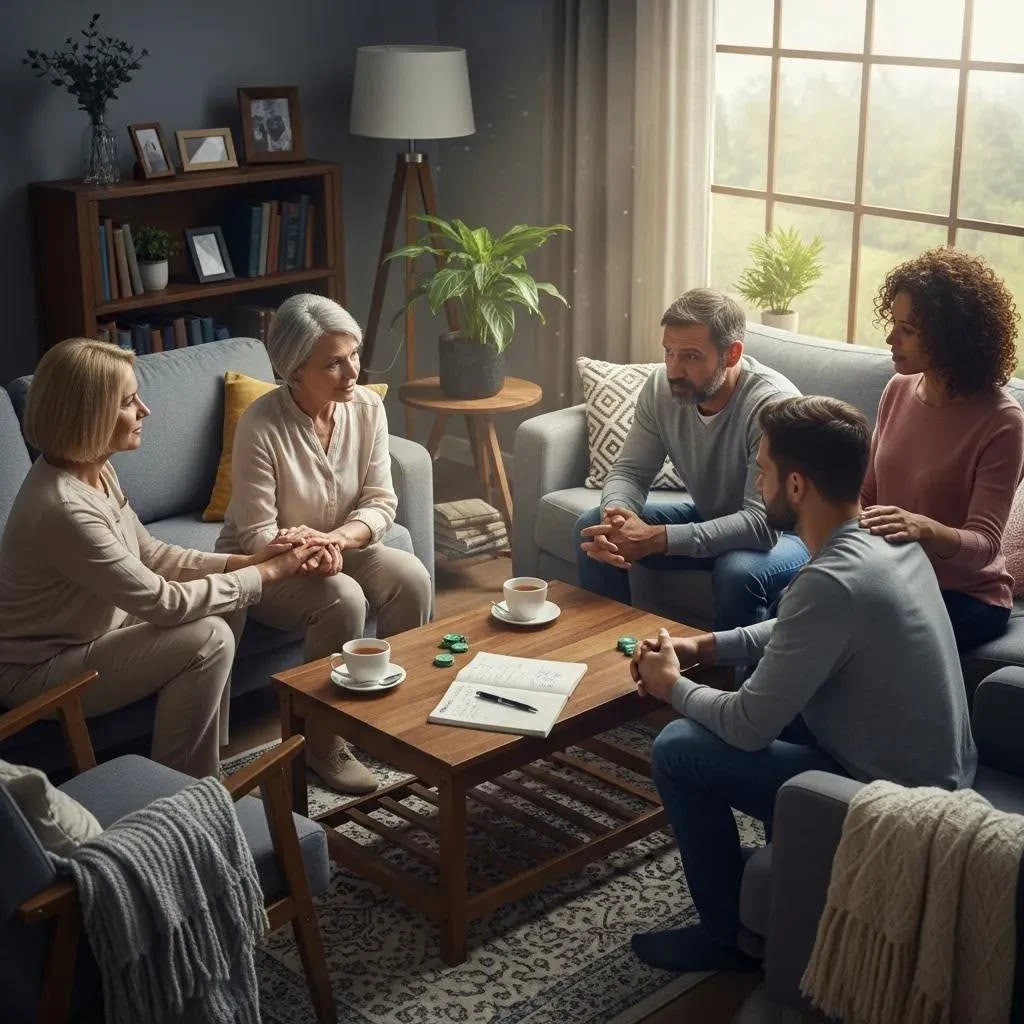
Families can implement several strategies to support long-term relapse prevention for their loved ones. Open communication is essential, allowing individuals to express their feelings and challenges without fear of judgment.
Setting healthy boundaries helps create a safe environment, while encouraging participation in support groups can provide additional resources and community support. These strategies empower families to play an active role in their loved one’s recovery journey.
What Are the Admission Process and Program Details at Charles River Recovery?
Charles River Recovery offers a structured admission process designed to facilitate access to its comprehensive treatment programs.
Their focus on integrated care for co-occurring disorders ensures that individuals receive the support they need for both substance use and co-occurring mental health challenges. [6]
Begin Treatment for Co-Occurring Disorders in Massachusetts
To begin treatment at Charles River Recovery, individuals can initiate the process by contacting their admissions team.
The initial assessment involves a thorough evaluation of the individual’s history and current challenges, allowing for the development of a personalized treatment plan. Interested individuals can reach out at (844) 441-0455. For more information on the admission process and available programs.
Personalized Care at Charles River Recovery
At Charles River Recovery, we specialize in providing comprehensive treatment for individuals facing co-occurring gambling addiction and substance use disorders.
Our integrated programs combine evidence-based therapies with personalized care plans tailored to each person’s unique needs. We believe in the power of family involvement and offer supportive family therapy to strengthen recovery outcomes.
Our dedicated team is committed to guiding you through every step of the admission process and beyond, ensuring a compassionate and effective path to healing. When you choose us, you gain a partner focused on long-term recovery and resilience.
Frequently Asked Questions
What are the signs that someone may have a gambling addiction?
Signs of gambling addiction can vary, but common indicators include a preoccupation with gambling, lying about gambling habits, and experiencing financial difficulties due to gambling losses. Individuals may also show signs of withdrawal, such as irritability or restlessness, when not gambling. Additionally, they might continue to gamble despite negative consequences, such as relationship issues or job loss. Recognizing these signs early can lead to timely intervention and support.
How can I find support for a loved one struggling with gambling addiction?
Finding support for a loved one with a gambling addiction involves several steps. Start by educating yourself about the disorder to better understand their struggles. Encourage open and honest communication, expressing your concern without judgment. You can also suggest professional help, such as therapy or support groups like Gamblers Anonymous. Additionally, consider joining a support group for families of individuals with gambling addiction, which can provide valuable resources and emotional support.
What is the role of medication in treating co-occurring gambling and substance use disorders?
Medication can play a supportive role in treating co-occurring gambling and substance use disorders, particularly when addressing underlying mental health issues such as depression or anxiety. Medication may be used to address co-occurring mental health symptoms, but therapy remains central to treating gambling disorder. However, medication should be used in conjunction with therapy and behavioral interventions for optimal results. A healthcare provider can assess the individual’s needs and determine the most appropriate treatment plan.
How long does treatment for co-occurring disorders typically last?
The duration of treatment for co-occurring disorders varies based on individual needs, severity of the conditions, and the treatment approach. Generally, comprehensive programs may last from a few weeks to several months. Ongoing support and aftercare are crucial for long-term recovery, often extending beyond the initial treatment phase. Regular follow-ups and participation in support groups can significantly enhance the chances of sustained recovery and prevent relapse.
Disclaimer:
This article is for general information only and does not replace professional medical, legal, financial, or insurance advice. Policies, prices, and coverage vary. Always consult qualified professionals and your specific provider before making decisions.
References
- https://pmc.ncbi.nlm.nih.gov/articles/PMC10628029/
- https://pmc.ncbi.nlm.nih.gov/articles/PMC4803266/
- https://www.mayoclinic.org/diseases-conditions/compulsive-gambling/symptoms-causes/syc-20355178
- https://www.divisiononaddiction.org/outreach-resources/gdsd/toolkit/treating-gambling-disorder/
- https://pmc.ncbi.nlm.nih.gov/articles/PMC8380649/
- https://www.charlesriverrecovery.com/about/