
The fentanyl crisis in Massachusetts has emerged as a significant public health issue, with the state experiencing alarming rates of opioid-related overdoses. [1] Fentanyl, a potent synthetic opioid, is often mixed with other drugs, leading to increased risks of overdose and death.
In this article, we aim to provide essential information about the fentanyl crisis, including treatment options, overdose prevention strategies, and community initiatives.
Readers will learn about the complexities of fentanyl addiction and the resources available for recovery. We will explore key statistics, treatment options, and community efforts to combat this crisis.
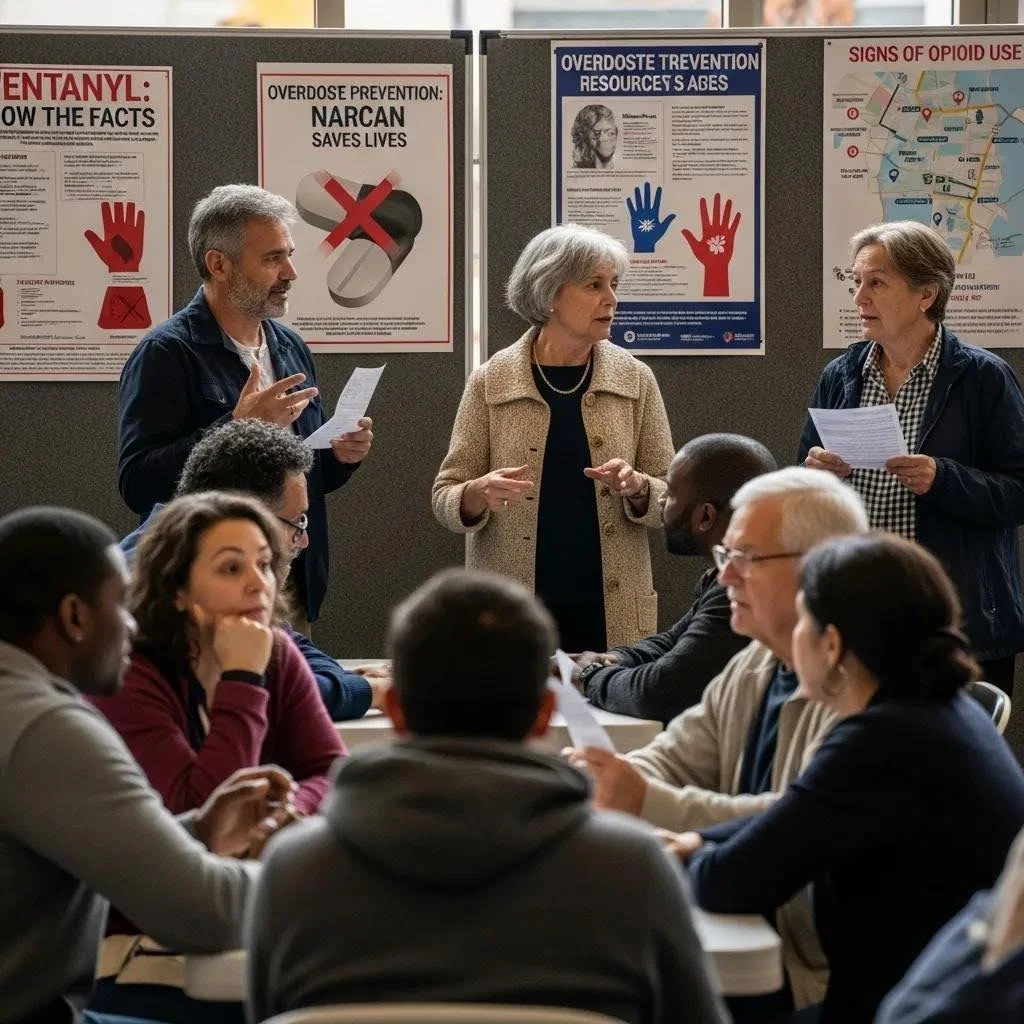
What Treatment Options are Available?
Various treatment options are available for individuals struggling with fentanyl addiction, each designed to address the complexities of opioid dependency.
Medication-Assisted Treatment (MAT) is a common approach that combines medications like buprenorphine, methadone, and naltrexone with counseling and behavioral therapies. This method helps to reduce cravings and withdrawal symptoms, making it easier for individuals to engage in recovery.

Medically Supervised Detox Programs in Massachusetts
Medically supervised detox programs are crucial for individuals seeking to overcome fentanyl addiction. These programs provide a safe environment where medical professionals can monitor withdrawal symptoms and offer support. [2]
The importance of medically supervised detox lies in ensuring safety and comfort during withdrawal, as well as providing clinical observation and symptom control.
Therapy and Aftercare Support at Charles River Recovery
Charles River Recovery offers comprehensive therapy and aftercare support tailored to individuals recovering from fentanyl addiction. Their programs include various types of therapy, such as cognitive behavioral therapy (CBT) [3], which helps individuals address the underlying issues related to their addiction.
Aftercare support is vital for maintaining recovery, as it connects individuals with community resources and ongoing support networks. [4]
Overdose Prevention Strategies
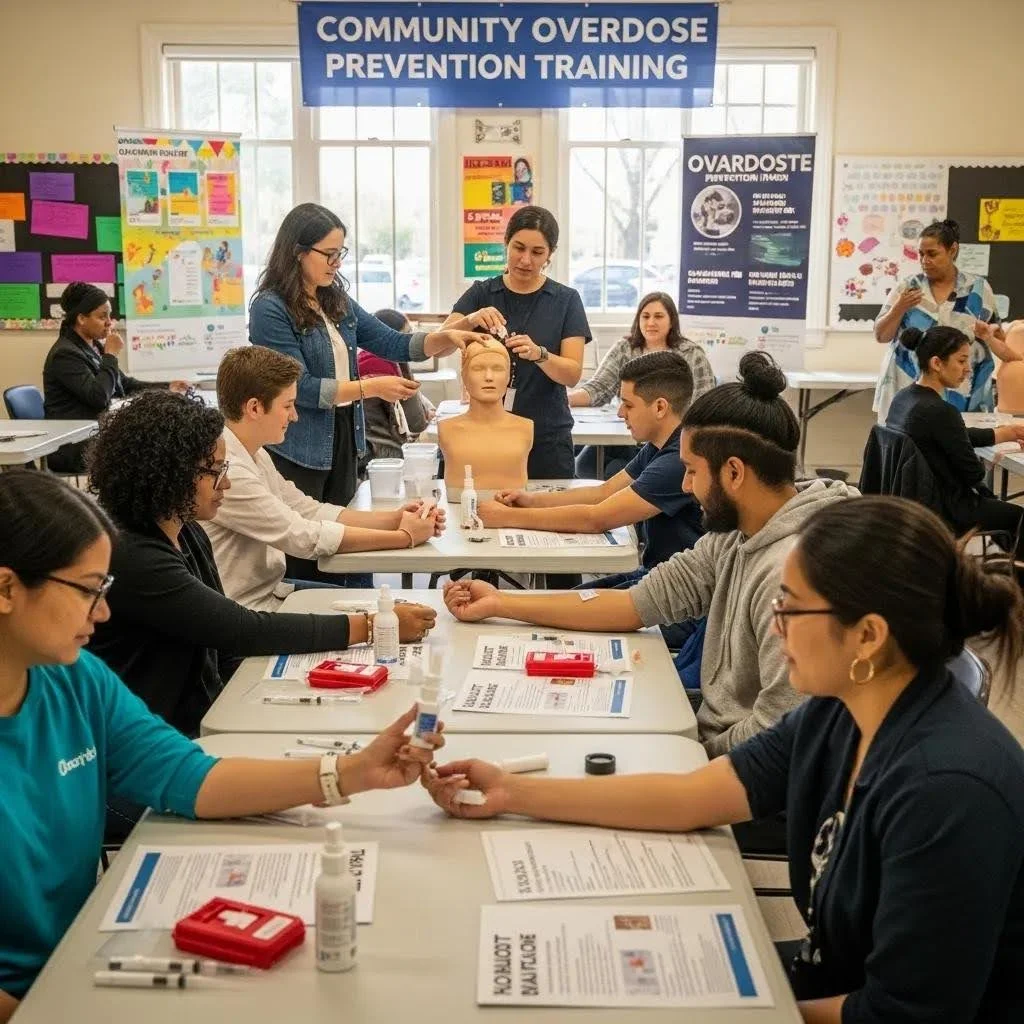
Preventing overdoses is a critical component of addressing the fentanyl crisis. Several strategies can be implemented to reduce the risk of overdose in the community.
- Naloxone Distribution: Naloxone (Narcan) is a life-saving medication that can reverse opioid overdoses. Its availability is crucial in emergencies.
- Public Awareness Campaigns: Educating residents about the dangers of opioid misuse and the signs of overdose can empower communities to take action.
- Law Enforcement Training: Police departments are trained to administer naloxone, ensuring that first responders can act quickly in overdose situations.
These strategies highlight the importance of community involvement and education in preventing overdoses.
What Is Fentanyl and Why Is It a Critical Concern in Massachusetts?
Fentanyl is a highly potent synthetic opioid that has significantly contributed to the opioid crisis in Massachusetts. It is estimated to be 50 to 100 times more potent than morphine, making it a critical concern for public health.
In Massachusetts, fentanyl was involved in most opioid-related overdose deaths in 2023, highlighting its dangerous impact on the community.
Understanding Fentanyl as a Synthetic Opioid
Fentanyl works by binding to the body’s opioid receptors, which are found in the brain and other areas. This binding leads to pain relief but also produces feelings of euphoria, which can lead to misuse.
The risks associated with fentanyl use are heightened when it is mixed with other substances, often without the user’s knowledge, increasing the likelihood of overdose.
Recent Massachusetts Opioid Crisis Statistics and Trends
Massachusetts continues to face a high burden of opioid-related deaths. [5] Fentanyl remains a major driver of overdose deaths.
The demographic disparities in overdose rates reveal that certain populations are disproportionately affected, necessitating targeted interventions. The impact of prescription drug misuse continues to be a significant factor in the ongoing crisis.
How Can You Recognize the Signs of a Fentanyl Overdose?
Recognizing the signs of a fentanyl overdose is crucial for timely intervention.
- Common Symptoms and Warning Signs of Overdose: Key symptoms include severe drowsiness or unresponsiveness, slowed or difficult breathing, and cold or clammy skin. [6] Understanding these signs can help individuals act quickly in emergencies.
The Role of Naloxone in Overdose Reversal
Naloxone is an opioid antagonist that blocks opioid receptors, effectively reversing the effects of an overdose. It can be administered as a nasal spray or injection and is highly effective when given promptly.
The availability of naloxone is essential in saving lives during overdose situations, making it a critical tool in the fight against the fentanyl crisis.
Community Initiatives
Community initiatives play a vital role in addressing the fentanyl crisis in Massachusetts.
- Drug Courts and Diversion Programs: These programs provide alternatives to incarceration for individuals struggling with addiction, focusing on rehabilitation rather than punishment.
- Local Resource Mobilization: Communities are collaborating to analyze overdose statistics and mobilize resources effectively.
- Support Networks: Organizations like Al-Anon and Nar-Anon offer support for families affected by addiction, helping them navigate the challenges of their loved ones’ substance use disorders.
These initiatives demonstrate a collective effort to combat the fentanyl crisis through support and rehabilitation.
How Can Individuals and Families Get Help for Fentanyl Addiction?
Steps to Access Addiction Treatment in Massachusetts
- Recognizing the Need for Help: Acknowledging the problem is the first step toward recovery.
- Contacting Treatment Providers: Reaching out to local treatment centers can provide information on available resources.
- Exploring Treatment Options: Understanding the various treatment options, including inpatient and outpatient programs, can help individuals make informed decisions.
Building Trust and Support Through Personalized Care
Building trust in treatment is essential for successful recovery. Open communication between individuals and their families can foster a supportive environment. Encouraging professional help and utilizing harm reduction tools can further enhance the recovery process.
Why Choose Charles River Recovery?
At Charles River Recovery, we are dedicated to providing an alcohol and drug detox addiction center in Massachusetts for individuals battling fentanyl addiction. Our services include medically supervised detox, personalized therapy, and ongoing aftercare support designed to meet each person’s unique needs.
We understand the complexities of opioid dependency and strive to create a supportive environment that fosters healing and long-term recovery.
Our team works closely with clients and their families to build trust and empower them throughout the recovery journey. By combining evidence-based treatments with holistic care, we aim to make a meaningful difference in the lives of those affected by the fentanyl crisis in Massachusetts.
Frequently Asked Questions
What are the long-term effects of fentanyl addiction on health?
Long-term fentanyl addiction can lead to severe health complications, including respiratory issues, cardiovascular problems, and increased risk of infectious diseases due to needle sharing. Chronic use can also result in significant changes to brain chemistry, leading to cognitive impairments and emotional disturbances. Additionally, individuals may experience withdrawal symptoms that can be debilitating, making recovery challenging. It’s crucial for those struggling with addiction to seek professional help to mitigate these risks and support their journey to recovery.
How can families support a loved one struggling with fentanyl addiction?
Families can play a vital role in supporting a loved one with fentanyl addiction by fostering open communication and expressing empathy. Encouraging them to seek professional help and participate in family therapy can strengthen the recovery process. Additionally, educating themselves about addiction and its effects can help families understand their loved one’s struggles better. Joining support groups, such as Al-Anon or Nar-Anon, can also provide families with resources and a community of individuals facing similar challenges.
What role do community initiatives play in combating the fentanyl crisis?
Community initiatives are essential in addressing the fentanyl crisis as they promote awareness, education, and resource mobilization. Programs like drug courts and diversion initiatives focus on rehabilitation rather than punishment, helping individuals access treatment. Public awareness campaigns educate residents about the dangers of fentanyl and overdose prevention strategies. Additionally, local organizations often collaborate to analyze overdose statistics and implement targeted interventions, creating a supportive environment for recovery and reducing stigma associated with addiction.
What should I do if I suspect someone is experiencing a fentanyl overdose?
If you suspect someone is experiencing a fentanyl overdose, it is crucial to act quickly. Call emergency services immediately and provide them with as much information as possible. If naloxone is available, administer it as directed, either as a nasal spray or injection. Monitor the individual’s breathing and responsiveness while waiting for help. If they do not respond after the first dose of naloxone, a second dose may be necessary after a few minutes. Stay with the person until medical professionals arrive.
Disclaimer:
This article is for general information only and does not replace professional medical, legal, financial, or insurance advice. Policies, prices, and coverage vary. Always consult qualified professionals and your specific provider before making decisions.
References
- https://www.mass.gov/news/dph-report-massachusetts-opioid-related-overdose-deaths-decreased-10-percent-in-2023
- https://www.ncbi.nlm.nih.gov/books/NBK553166/
- https://www.charlesriverrecovery.com/what-is-inpatient-rehab/
- https://pmc.ncbi.nlm.nih.gov/articles/PMC7813220/
- https://www.mass.gov/news/dph-report-massachusetts-opioid-related-overdose-deaths-decreased-10-percent-in-2023
- https://www.getsmartaboutdrugs.gov/consequences/opioid-overdose-symptoms