

Marijuana detox describes the process of clearing THC and its metabolites from your body 1 while managing withdrawal symptoms and preparing for reliable drug testing or long-term abstinence. People often look for ways to detox from marijuana to pass a drug test, reduce lingering impairment, or start recovery from problematic cannabis use.
This guide emphasizes safety and evidence-based strategies. You’ll get practical timelines for how long marijuana can be detected in urine, blood, saliva, and hair; learn which natural approaches actually help; and see when medical detox makes sense.
We also debunk quick-fix kits, explain a realistic marijuana detox timeline, and outline common withdrawal symptoms, self-care tactics, and when to pursue professional support, such as a structured drug and alcohol detox program in Massachusetts.
How Long Does Marijuana Stay in Your System?
THC detection varies by test type and whether the lab measures active THC or metabolites such as THC‑COOH. 2 Detection windows depend on individual physiology and use patterns. Knowing typical detection times for urine, blood, saliva, and hair helps answer “how long does marijuana stay in your system” and guides preparation for workplace or medical testing.
Below, we offer concise detection windows by test type and notes for light, moderate, and heavy users to set realistic expectations. The following section breaks down those windows and explains which personal factors can shift them.
THC Detection Times in Urine, Blood, Saliva, and Hair
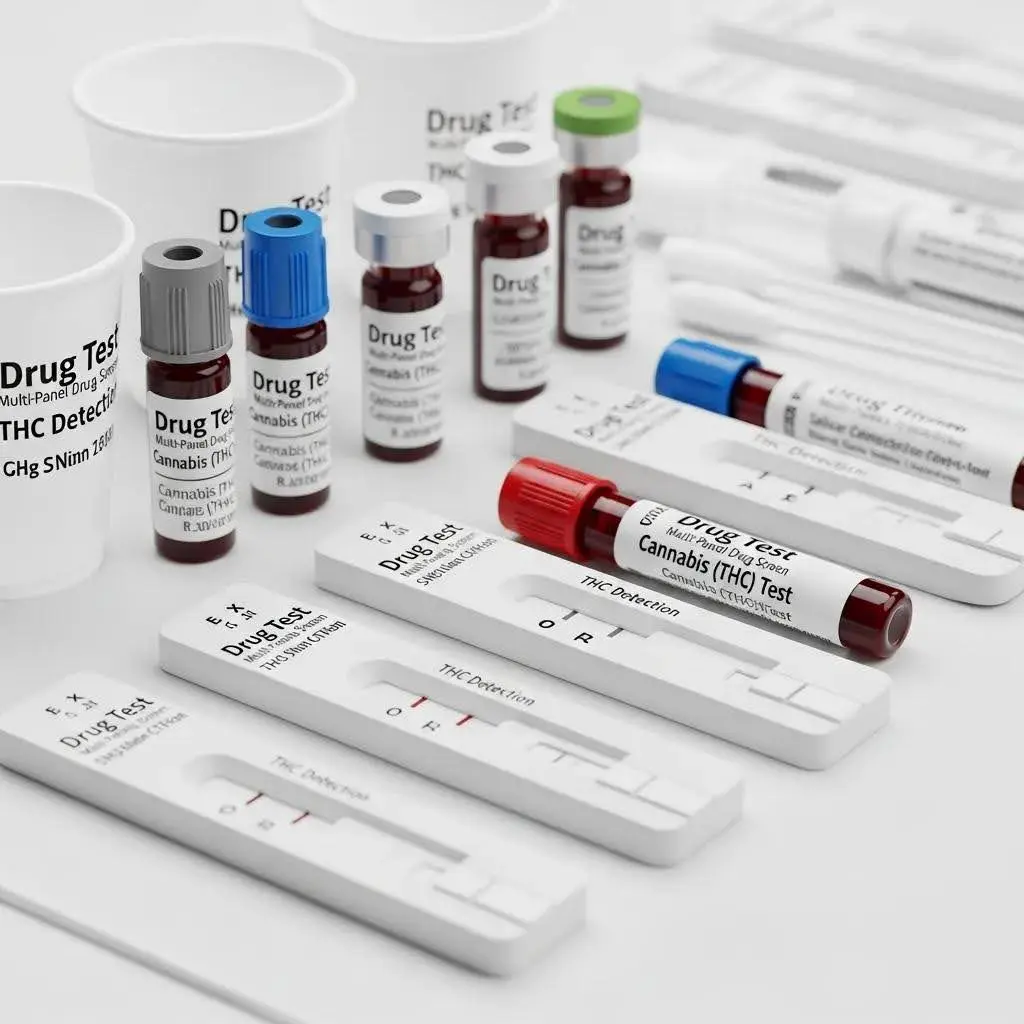
The table below summarizes typical detection windows for common drug tests and identifies which compounds are measured, information that helps when planning to clear THC for a drug test.
| Test Type | Typical Detection Window | Notes/Range |
|---|---|---|
| Urine | Light: up to 3 days; Moderate: 7–21 days; Heavy: 30+ days | Detects THC‑COOH, the primary metabolite used in most employment screens |
| Blood | Hours to 1–2 days (longer in heavy users) | Detects active THC; useful for assessing recent use or impairment, not long‑term use |
| Saliva (oral fluid) | 1–72 hours typical | Detects recent consumption; the window can lengthen with frequent heavy use |
| Hair | Up to 90 days (standard 3‑month panel) | Detects incorporated metabolites and reflects longer‑term patterns of use |
Urine and hair testing are most relevant in employment and forensic settings, while blood and saliva reflect more recent use. Knowing which analyte a lab targets helps set realistic expectations for a marijuana detox timeline and the likelihood of passing a given test.
Factors That Affect How Long THC Stays in the Body
Biological and behavioral factors change detection windows by altering how THC is stored, metabolized, and eliminated. 3 Key drivers include frequency of use, body fat percentage, age, basal metabolic rate, and liver enzyme activity. Chronic or heavy use increases THC storage in adipose tissue and lengthens detection windows.
Hydration and recent exercise can temporarily change urine concentration or release stored metabolites, but they don’t reliably “flush” THC quickly. Certain medications or liver conditions can slow elimination.
These factors help explain why a daily long‑term user with higher body fat may test positive in urine for a month or longer, while an infrequent user often clears within a few days. Those physiological realities guide safe, practical, natural strategies rather than reliance on unproven products.
What Are the Most Effective Natural Ways to Detox from Cannabis?

Natural detox approaches support the body’s metabolism and address lifestyle factors that affect THC elimination; they don’t promise instant removal. Evidence favors gradual strategies: sustained abstinence, consistent aerobic activity to boost metabolism, a diet that supports liver function, adequate hydration for kidney clearance, and regular sleep to restore metabolic and hormonal balance.
Many over‑the‑counter detox drinks and kits claim rapid clearance, but most lack reliable evidence and can create false confidence. The safest, most effective plan is time plus supportive health behaviors. Below, we compare common natural methods, how they work, and practical tips to set realistic expectations while avoiding harmful quick fixes.
Hydration, Diet, and Exercise in THC Detoxification
Hydration, a nutrient‑dense diet, and exercise support metabolic pathways that help eliminate many substances, including THC metabolites, but none provide an immediate cleanse. Drinking fluids helps urine production and kidney filtration, though excessive fluid intake can be unsafe and may produce a diluted urine sample that labs flag. 4
Regular aerobic exercise mobilizes fat stores where THC is sequestered, which can temporarily raise metabolite levels before aiding long‑term clearance; pair exercise with continued abstinence.
A diet high in fiber, lean protein, and antioxidants supports liver conjugation and elimination 5, while avoiding heavy fats and alcohol reduces stress on detox systems. Together, these measures form a sensible, evidence‑based approach that complements the primary factor in clearance: time and abstinence.
| Method | Mechanism | Evidence / Practical Tip |
|---|---|---|
| Hydration | Supports renal filtration and urine output | Drink steady fluids throughout the day; avoid extreme dilution that may invalidate tests |
| Exercise | Mobilizes fat stores and raises metabolic rate | Regular cardio plus gradual strength work is recommended; expect possible short‑term metabolite increases |
| Diet & Liver Support | Antioxidants and fiber aid hepatic processing and elimination | Prioritize vegetables, lean proteins, and whole grains; limit heavy fats and alcohol |
| Sleep & Stress Reduction | Restores metabolic and hormonal balance | Keep consistent bedtimes, practice relaxation techniques, and address stressors |
These approaches influence elimination kinetics in safe ways, but time remains the main determinant of how quickly THC clears from the body.
Importance of Sleep for Cannabis Detox
Sleep is central to recovery and supports cognitive regulation and metabolic detox pathways during marijuana cessation. 6 Good sleep reduces irritability and cravings and supports liver and endocrine function that affect how metabolites are processed.
Practical sleep hygiene, regular bedtimes, a cool, dark bedroom, limiting screens before bed, and reducing caffeine can help with withdrawal‑related insomnia and restore circadian rhythms disrupted by heavy cannabis use.
If insomnia is severe, persistent, or accompanied by marked anxiety or suicidal thoughts, seek medical evaluation; these signs may require clinical symptom management in addition to behavioral strategies. Adequate sleep complements hydration, diet, and exercise as part of a realistic, natural detox plan.
When Is Medical Marijuana Detox Needed and What Does It Involve?
Medical detox is advised when withdrawal symptoms are severe, when co‑occurring mental health or substance use disorders are present, or when close medical monitoring is necessary. It provides structured oversight during the vulnerable early days of cessation.
Medical detox typically includes clinical assessment, symptom‑focused interventions, monitoring for dehydration or severe insomnia, and coordinated referrals to ongoing therapy. 7 Its goals are safety, symptom relief, and a clear path into longer‑term care.
People with heavy daily cannabis use, significant anxiety or depression, or concurrent opioid or alcohol use may especially benefit from supervised detox to manage risk and start integrated treatment. Understanding what medical detox offers helps clarify how clinical support differs from home‑based strategies and why some patients transition from detox into more intensive programs.
Medical Detox Management of Cannabis Withdrawal Symptoms
Clinicians address cannabis withdrawal by treating symptoms, insomnia, anxiety, nausea, and irritability, with evidence‑based, safety‑focused approaches. Non‑pharmacologic supports such as cognitive behavioral techniques, sleep hygiene coaching, and hydration are first‑line; short‑term medications may be used selectively under supervision to relieve severe insomnia or anxiety.
Monitoring includes regular checks of vital signs, hydration, and mental health risk, with clear escalation steps if symptoms worsen or if other substance use is identified. Medical detox also educates patients on a realistic marijuana detox timeline and coordinates referrals to outpatient therapy or residential care when ongoing support is needed. These measures reduce acute discomfort and lower the risk of early relapse.
Benefits of Professional Detox Programs Like Charles River Recovery
Structured detox programs offer medical oversight, evidence‑based therapies, and a defined pathway into continued care, factors that improve safety and long‑term outcomes for people with problematic cannabis use.
Charles River Recovery, a Massachusetts‑based drug and alcohol rehab center, provides a Drug & Alcohol Detox program that includes individualized detox planning, evidence‑based therapeutic care, and a comprehensive continuum of services.
Their approach stresses personalized addiction treatment, 24/7 clinical monitoring for safety, and linkage to ongoing therapy, important when withdrawal is severe or when dual‑diagnosis care is required. For patients and families in Massachusetts, contacting Charles River Recovery can start the admissions process and clarify next steps for supervised detox and integrated treatment.
What Are Common Marijuana Withdrawal Symptoms and How Can You Manage Them?
Cannabis withdrawal commonly causes a mix of physical and psychological symptoms that begin within days of stopping and generally resolve over weeks. Early signs often include sleep disturbance and irritability, followed by reduced appetite, anxiety, mood swings, headaches, or stomach upset.
Practical self‑care strategies include staying hydrated, keeping a consistent sleep schedule, doing light aerobic exercise, practicing mindfulness, and engaging early with counseling or peer support to manage cravings and mood changes.
Recognize red flags, such as suicidal thoughts, severe dehydration, or incapacitating anxiety, as reasons to seek urgent clinical care rather than managing at home.
Physical and Psychological Symptoms of Cannabis Withdrawal
Typical symptoms include irritability, sleep disruption, decreased appetite, anxiety 8, and physical discomfort; these usually peak in the first week and improve over two to four weeks for most people. Irritability and mood swings can strain relationships, so plan for social support and avoid high‑stress situations during the early phase.
Sleep problems often respond to structured sleep hygiene and, when necessary, short‑term clinical interventions; appetite usually returns as the endocannabinoid system rebalances. If symptoms are unusually severe or persist beyond a month, seek medical evaluation to assess for co‑occurring conditions and to discuss medical detox options.
Role of Therapy and Support Groups in Managing Withdrawal
Behavioral therapies like cognitive behavioral therapy (CBT) and motivational interviewing reduce cravings, build coping skills, and address triggers that sustain cannabis use. Support groups and peer recovery offer social reinforcement and practical strategies, and combining these with professional therapy gives the best chance of lasting change.
Therapy also helps identify and treat co‑occurring disorders, such as depression or anxiety, that commonly accompany cannabis use and complicate detox. For many people, a mix of individual therapy, group support, and medical follow‑up creates a durable recovery plan that extends beyond immediate detox and into long‑term wellbeing.
Frequently Asked Questions
What Are The Signs That I Need Medical Marijuana Detox?
Medical detox is appropriate when withdrawal symptoms significantly impair daily life or when mental health or other substance use concerns are present.
Warning signs include severe anxiety, persistent insomnia, intense physical symptoms, or marked functional decline. If you have a history of heavy, daily cannabis use or you feel unsafe managing symptoms at home, professional detox provides monitoring, symptom relief, and a structured transition to ongoing care.
How Can I Manage Cannabis Withdrawal Symptoms At Home?
At home, focus on steady self‑care: stay hydrated, keep a consistent sleep routine, and engage in light aerobic activity. Mindfulness practices such as meditation or gentle yoga can reduce anxiety and improve mood. Reach out to supportive friends, family, or peer groups for encouragement. If symptoms worsen or don’t improve, contact a healthcare provider for further evaluation and guidance.
Are There Any Specific Diets That Can Help With Marijuana Detox?
A balanced diet that supports liver health and overall metabolism can help the body clear metabolites. Emphasize whole foods, fruits, vegetables, lean proteins, and whole grains, and foods rich in antioxidants, like berries and leafy greens.
Avoid processed foods, excessive unhealthy fats, and alcohol, which can burden detox pathways. Combined with hydration and exercise, a healthy diet creates a supportive environment for elimination.
How Long Does It Typically Take To Detox From Marijuana?
Detox timelines vary by individual factors such as frequency of use, body composition, and overall health. Withdrawal symptoms often begin within a few days and commonly resolve over two to four weeks.
Complete elimination of THC metabolites can take longer; heavy users may test positive in urine for a month or more. Knowing this range helps set realistic expectations for recovery and drug testing.
Disclaimer:
This article is for general information only and does not replace professional medical, legal, financial, or insurance advice. Policies, prices, and coverage vary. Always consult qualified professionals and your specific provider before making decisions.
Reference
- https://pmc.ncbi.nlm.nih.gov/articles/PMC2689518/
- https://www.acmt.net/wp-content/uploads/2022/06/PRS_191101_Interpretation-of-Urine-for-Tetrahydrocannabinol-Metabolites.pdf
- https://pmc.ncbi.nlm.nih.gov/articles/PMC2689518/
- https://www.transportation.gov/odapc/part40/40-88
- https://www.mayoclinic.org/diseases-conditions/fatty-liver-disease-masld/in-depth/fatty-liver-disease-masld-diet/art-20588469
- https://pmc.ncbi.nlm.nih.gov/articles/PMC9110555/
- https://pmc.ncbi.nlm.nih.gov/articles/PMC9110555/
- https://pmc.ncbi.nlm.nih.gov/articles/PMC5414724/