

Suboxone combines buprenorphine and naloxone and is commonly prescribed to treat opioid use disorder. 1 How long Suboxone detox takes depends on the drug’s pharmacology, the individual’s history, and whether detox is supervised by clinicians.
Physical withdrawal from Suboxone usually unfolds over days to weeks, while longer-lasting psychological symptoms can persist for months. Knowing these phases helps patients and families plan safer, more comfortable care.
This guide explains a typical Suboxone withdrawal timeline, the factors that change detox length, what medically supervised detox involves, and the common physical and emotional symptoms to expect.
What Is the Typical Suboxone Withdrawal Timeline?
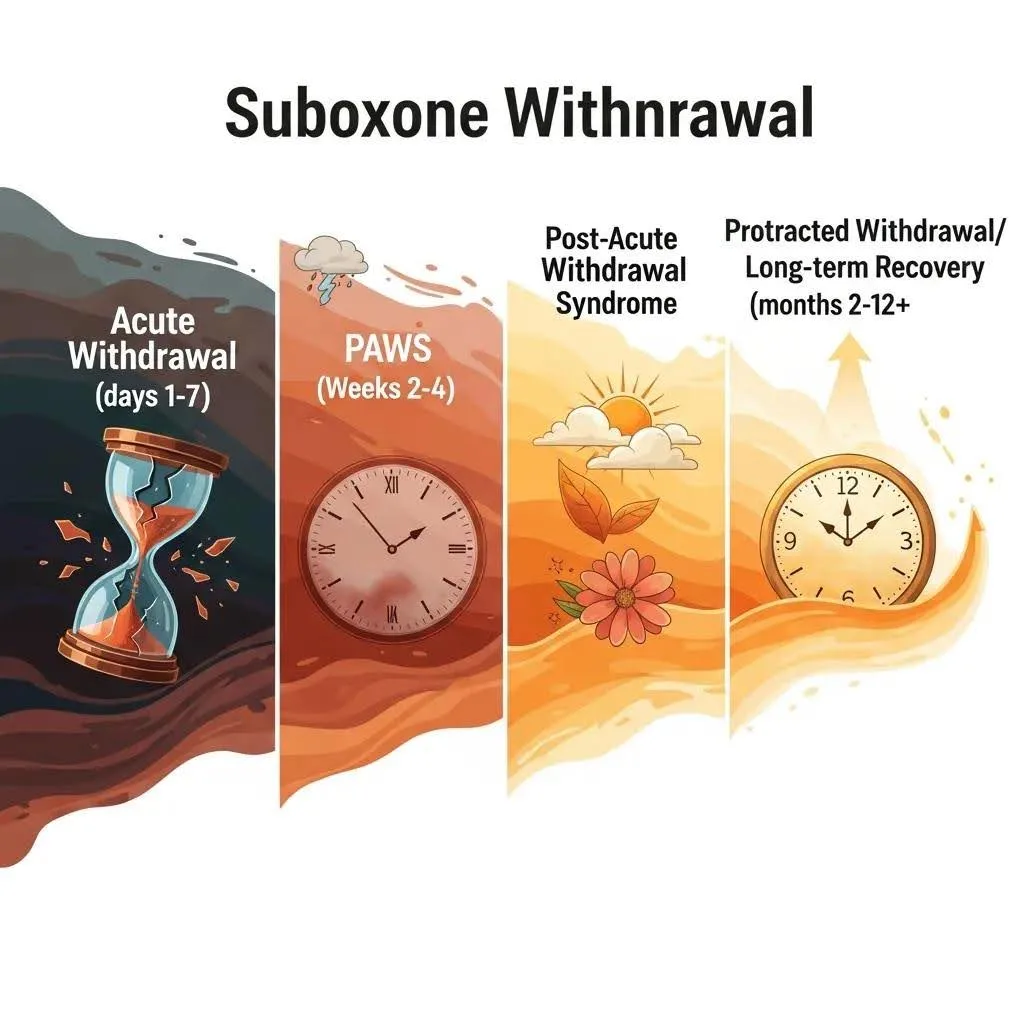
Withdrawal from Suboxone typically progresses through three distinct phases: an early phase after dose reduction, a peak period of more intense symptoms, and, for some people, a longer-term phase with lingering psychological effects.
Buprenorphine’s long half-life and receptor behavior mean symptoms can start later than they do with short-acting opioids 2, and timing varies from person to person. Below is a stage-based timeline to help patients and clinicians anticipate likely windows of discomfort. Read the table for a quick overview, then use the following sections for practical details and coping steps.
This timeline summarizes the early, peak, and protracted withdrawal phases commonly seen after stopping Suboxone.
| Stage | Typical Timing | Common Symptoms |
|---|---|---|
| Early Withdrawal | 24–72 hours after the last dose reduction | Anxiety, frequent yawning, runny nose, mild stomach upset |
| Peak Withdrawal | Days 3–14 | Severe muscle aches, nausea/vomiting, insomnia, strong cravings |
| Protracted Withdrawal (PAWS) | Weeks to months | Mood swings, anxiety, sleep problems, and intermittent cravings |
That table helps explain why some symptoms appear later and why emotional symptoms can outlast the physical ones. Understanding these windows informs taper plans, symptomatic medication choices, and the appropriate level of monitoring during detox.
Early Symptoms of Suboxone Detox
Early withdrawal usually starts within 1 to 3 days after a significant dose reduction or a missed dose, driven by falling buprenorphine receptor occupancy. Common physical signs include yawning, watery eyes, a runny nose, restlessness, and mild stomach upset 3 as the autonomic nervous system reacts.
Short-term self-care, drinking fluids, eating bland foods, and resting can reduce discomfort, but seek medical evaluation for persistent vomiting, severe dehydration, or suicidal thoughts. Spotting early signs helps clinicians plan supportive medications and a taper strategy to prevent escalation into the peak phase.
Peak Withdrawal Symptoms and Their Timing
Peak withdrawal most often occurs between days 3 and 14, when neurotransmitter shifts and physiologic rebound intensify symptoms and cravings. People commonly describe severe muscle and joint aches, marked nausea and diarrhea, heavy sweating, sleep loss, and acute anxiety, all of which increase relapse risk without help.
During peak days, clinicians typically offer comfort medications, hydration, and behavioral strategies to reduce distress and complications. Close monitoring through this period lowers risk and supports a safer move into recovery-focused care.
What Factors Influence the Duration of Suboxone Detox?
Several personal and drug-related factors affect how long Suboxone detox lasts. Knowing these helps clinicians tailor taper schedules and choose the right care setting. Dose size, total time on buprenorphine, metabolic rate, age, and other substance use all change withdrawal intensity and length. 4
Co-occurring mental health or medical conditions can prolong recovery and increase the need for integrated, dual-diagnosis treatment. The short list below highlights the main factors that make timelines different for each person.
Key factors that typically extend or shorten Suboxone withdrawal include:
- Dose and total duration of buprenorphine exposure.
- Method of stopping (abrupt cessation versus a gradual taper).
- Co-occurring medical or mental health conditions.
- Individual metabolism, age, and prior detox history.
These variables interact: higher cumulative exposure and untreated psychiatric disorders commonly predict more prolonged symptoms. Clinicians use this information to recommend outpatient tapering, medication adjustments, or inpatient detox when clinical complexity or safety concerns are present.
Impact of Dosage and Length of Use on Withdrawal Time
Larger daily doses and longer courses of buprenorphine typically lead to longer or more intense withdrawal because of greater receptor adaptation. Buprenorphine’s partial-agonist effects and prolonged receptor binding make a steady, clinician-guided taper more comfortable than stopping abruptly.
For many people, a slow taper reduces peak intensity and shortens the worst of the physical symptoms. When a patient’s dose history suggests a higher risk of severe withdrawal, inpatient detox with close monitoring is often the safer option.
Role of Co-Occurring Conditions in Detox Length
Mental health disorders like anxiety and depression, chronic pain, and polysubstance use commonly complicate Suboxone detox and lengthen recovery.
These conditions can amplify cravings and mood instability, increasing the chance of protracted symptoms and relapse if left untreated. Integrated, dual-diagnosis care that treats mental health and substance use together improves outcomes and reduces overall risk. Early screening and coordinated planning ensure medical, psychiatric, and social needs are managed at the same time.
How Is Medically Supervised Suboxone Detox Managed?

Medically supervised Suboxone detox pairs careful tapering or transition approaches with symptom-targeted medications, monitoring, and psychosocial support to reduce risk and increase comfort.
Clinical teams use comfort medications, hydration, nutrition, and behavioral therapies to stabilize patients while addressing the physiologic effects of withdrawal. Supervision lowers the risks associated with unsupervised, abrupt discontinuation by providing observation, prompt intervention for complications, and early linkage to ongoing care.
Medications and therapies used in supervised detox are chosen to relieve symptoms and support a safe transition into recovery while minimizing relapse risk.
| Medication / Therapy | Purpose | Typical Use in Detox |
|---|---|---|
| Clonidine | Reduces autonomic withdrawal symptoms | Used for sweating, rapid heart rate, and anxiety 5 |
| Antiemetics | Controls nausea and vomiting | Provides short-term relief during peak withdrawal |
| Non-opioid analgesics | Manage muscle and body aches | Adjunct treatment for pain during peak days |
| Counseling / CBT | Addresses cravings and behavior | Begins during detox and continues after discharge |
These interventions work together: medications ease physiologic symptoms, while counseling addresses the cognitive and behavioral drivers of relapse. Providing both reduces immediate distress and supports longer-term engagement in treatment.
Medications and Therapies That Help Ease Withdrawal Symptoms
Comfort medications, for example, clonidine for autonomic hyperactivity, antiemetics for nausea, and non-opioid pain relievers for muscle pain, are commonly used to ease acute distress during detox. Behavioral therapies, including cognitive-behavioral techniques and early relapse-prevention counseling, teach coping skills and reduce relapse risk.
Combining symptom-directed medications with therapy enhances safety and adherence during this vulnerable period and increases the likelihood that patients will continue in ongoing addiction treatment.
Safety Advantages of Professional Detox Over Quitting Cold Turkey
Stopping Suboxone suddenly carries significant risks: severe withdrawal, unmanaged symptoms, and a high relapse rate because cravings and physiologic distress often push people back to opioid use. Professional detox provides continuous monitoring, timely symptomatic medications, and immediate psychosocial support to lower these risks.
A supervised program also addresses co-occurring disorders and arranges follow-up care to reduce early relapse. When safety or clinical complexity is a concern, inpatient detox is an evidence-informed, lower-risk alternative to quitting cold turkey.
Charles River Recovery provides medically supervised detox and individualized inpatient treatment in Weston, Massachusetts 6, with an emphasis on safety, comfort, and evidence-based care.
Our licensed clinical team manages withdrawal using supportive medications, close monitoring, and integrated therapy to address co-occurring conditions and reduce relapse risk. We also assist families with admission steps and insurance guidance, helping match clinical needs to the right level of care and smoothing the transition from detox to ongoing recovery services.
What Are Common Suboxone Detox Symptoms and How Long Do They Last?
Suboxone detox produces a common pattern of physical and psychological symptoms that typically follow the early, peak, and protracted timeline above. Physical complaints, stomach upset, muscle pain, and sweating are usually worst in the first week and improve over 2 to 4 weeks, while psychological symptoms can linger.
The table below maps common symptoms to their usual onset and likely duration to help with planning and symptom management. After the table, we offer practical coping tips and warning signs to watch for.
| Symptom | Typical Onset | Typical Duration |
|---|---|---|
| Nausea/vomiting | 24–72 hours | Several days to 2 weeks |
| Muscle aches/cramps | 48–96 hours | 1–2 weeks |
| Insomnia | 1–3 days | Weeks to months |
| Anxiety/mood swings | Days 1–7 (may start earlier) | Weeks to months (PAWS possible) |
Familiarity with these timelines helps guide decisions about symptomatic medications and ongoing therapy. Seek urgent medical evaluation for severe dehydration, suicidal thoughts, or uncontrolled vomiting.
Most Common Physical Symptoms During Detox
The most frequent physical symptoms are gastrointestinal distress (nausea, diarrhea), muscle and bone aches, sweating, and flu-like symptoms from autonomic rebound. These signs reflect withdrawal from buprenorphine’s partial agonist effects and usually peak in the first week before improving.
Simple measures, rest, electrolyte replacement, clinician-prescribed antiemetics, and non-opioid pain control, can substantially reduce physical suffering. Anyone with severe or persistent physical signs should seek professional assessment to prevent complications and guide safe next steps.
Psychological Symptoms That Can Persist After Detox
Psychological symptoms, anxiety, depression, sleep disruption, and intense cravings can outlast the physical withdrawal and are often grouped as protracted withdrawal or PAWS. These issues stem from neurochemical adjustments after prolonged opioid receptor modulation and can increase relapse risk if untreated.
Evidence-based treatments such as cognitive-behavioral therapy, group support, 7 and continued medication-assisted treatment when appropriate help manage protracted symptoms and support long-term recovery. If mood symptoms are severe or suicidal thoughts appear, prompt psychiatric evaluation is essential.
Charles River Recovery clinicians are experienced in treating the full range of Suboxone withdrawal symptoms within a structured program that includes dual-diagnosis care and 24/7 monitoring when needed.
Our inpatient and detox services emphasize individualized plans, evidence-based comfort medications, and therapy to address both physical withdrawal and protracted psychological symptoms. For those seeking help, we offer assessment and admission support to coordinate detox and follow-up care that match clinical needs.
- Recognize timing: Physical symptoms commonly begin within 24–72 hours, and psychological symptoms may last for months.
- Seek medical supervision: Professional detox lowers risk and improves comfort through monitoring and targeted medications.
- Plan for continuing care: Therapy and relapse-prevention services are essential after acute withdrawal.
Timely, coordinated help can improve outcomes. If you or a loved one is facing Suboxone withdrawal, consider a medically supervised approach and ask about clinical capabilities and insurance options with qualified providers like Charles River Recovery in Weston, Massachusetts, to begin a safe, coordinated path to recovery.
Frequently Asked Questions
What Are the Risks of Detoxing from Suboxone Without Medical Supervision?
Detoxing from Suboxone without medical oversight can lead to severe withdrawal, intense cravings, and a higher likelihood of relapse. Unmanaged symptoms may cause dehydration, extreme mood swings, or suicidal thoughts that require emergency care.
Professional detox provides continuous observation, symptom-targeted medications, and psychosocial support that reduce these risks and improve safety.
How Can I Prepare for a Medically Supervised Detox from Suboxone?
Preparing for a supervised detox starts with a conversation with your healthcare provider about your medical history, medications, and a planned taper.
Pack personal items for comfort (clothing, toiletries), arrange reliable support from family or friends, and organize any insurance or referral paperwork you’ll need. Mentally prepare for both physical and emotional challenges and plan follow-up care to support recovery after discharge.
What Role Does Therapy Play During Suboxone Detox?
Therapy is a central part of detox. Cognitive-behavioral therapy (CBT) and counseling address cravings, build coping skills, and help treat underlying mental health issues. Starting therapy during detox gives patients practical tools to manage urges and prepares them for ongoing recovery. When integrated with medical care, therapy improves outcomes and reduces relapse risk.
Are There Any Long-Term Effects of Suboxone Withdrawal?
Some people experience lingering effects after acute withdrawal, especially psychological symptoms. Protracted withdrawal or PAWS can include anxiety, depression, insomnia, and cravings lasting weeks or months.
These symptoms can complicate recovery, so ongoing support, therapy, peer groups, and, where appropriate, medication-assisted treatment are important to manage long-term effects.
Disclaimer:
This article is for general information only and does not replace professional medical, legal, financial, or insurance advice. Policies, prices, and coverage vary. Always consult qualified professionals and your specific provider before making decisions.
Reference
- https://www.accessdata.fda.gov/drugsatfda_docs/label/2021/022410s042lbl.pdf
- https://www.ncbi.nlm.nih.gov/books/NBK459126/
- https://www.ncbi.nlm.nih.gov/books/NBK64116/box/fig4.4/?report=objectonly
- https://www.ncbi.nlm.nih.gov/books/NBK526012/
- https://www.ncbi.nlm.nih.gov/books/NBK64116/box/fig4.4/?report=objectonly
- https://www.charlesriverrecovery.com/
- https://pmc.ncbi.nlm.nih.gov/articles/PMC2897895/