
Methamphetamine, commonly called meth, is a powerful stimulant that alters the central nervous system. [1]
In this article, we summarize how meth increases seizure risk, the brain processes involved, the seizure types seen with meth, and practical responses and treatments. If you or someone you care about uses meth, understanding these risks supports safer choices and access to care.
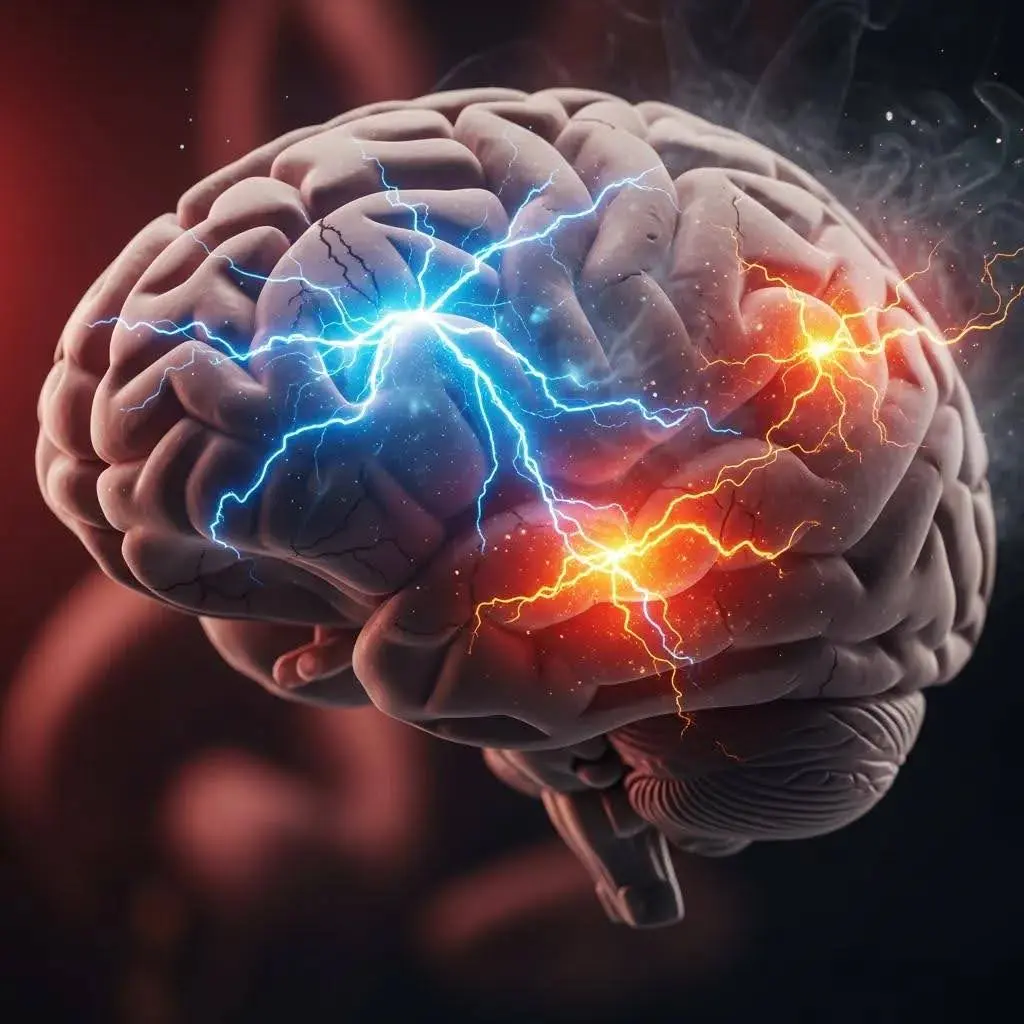
What Is Methamphetamine and How Does It Affect the Brain?
Meth causes large releases of dopamine and other neurotransmitters, producing intense euphoria while overstressing neural circuits. Repeated use can damage brain regions that handle memory, emotion, and decision-making [2], and it increases neuronal excitability, a core factor that raises seizure risk.
Neurotoxic Effects of Methamphetamine
Meth disrupts neurotransmitter systems and can harm brain tissue. Long-term use alters dopamine pathways and may degrade white matter integrity, producing cognitive and mood problems and greater vulnerability to seizures.
How Methamphetamine Use Increases Seizure Risk
Meth lowers the threshold for abnormal electrical activity by increasing neuronal firing.
Seizures are more often linked to acute intoxication or overdose than to withdrawal; withdrawal typically causes fatigue, low mood, and cravings [3], while true convulsions are less common than with alcohol or benzodiazepine withdrawal. Recognizing these differences helps guide prevention and treatment.
How Does Methamphetamine Cause Seizures?

Meth Overdose Can Trigger Seizures
Yes. Very high doses or repeated binges can hyper-stimulate the central nervous system and provoke convulsions. Seizures during overdose are serious, can cause additional brain injury, and often occur alongside other medical emergencies [4], underlining the danger of high-dose use.
Meth Withdrawal Symptoms and Seizure Risk
Seizures are uncommon in meth withdrawal. Typical withdrawal signs are extreme tiredness, low mood, anxiety, and strong cravings.
Medical teams monitor symptoms during detox, but routine seizure prophylaxis is generally not required for meth withdrawal alone unless other risk factors are present.
What Types of Seizures Are Associated with Meth Use?

Generalized Tonic-Clonic Seizures
Generalized tonic-clonic seizures (grand mal) cause loss of consciousness and large, involuntary muscle contractions. They can last several minutes and leave the person confused and exhausted. Meth’s effect on brain excitability increases risk, especially with high doses.
Focal Seizures and Status Epilepticus
Focal seizures start in a specific brain area and may produce odd sensations, brief involuntary movements, or sudden emotional changes.
They can sometimes progress to status epilepticus, a prolonged or repeated seizure state without recovery, which is life-threatening and requires immediate emergency treatment.
How Should You Respond to a Meth-Induced Seizure?
Signs of a Meth-Related Seizure
Signs include muscle twitching, full-body convulsions, loss of consciousness, severe confusion [5], and heightened sensitivity to touch or sound. Neurological symptoms may occur before or after the event; early recognition helps keep the person safe until help arrives.
Immediate Actions to Take During a Seizure
If someone is having a seizure, follow these steps to reduce harm:
- Stay Calm: Your calm presence helps everyone involved.
- Protect the Individual: Remove sharp or hard objects from the area.
- Time the Seizure: Note duration; call emergency services if it exceeds five minutes.
- Do Not Restrain: Don’t hold the person down or try to stop natural movements.
- Position Safely: After convulsions stop, if possible, turn the person onto their side to protect the airway.
After the seizure, seek medical evaluation if meth use is suspected; stimulant toxicity can involve other serious issues that need attention.
If you or someone you care about is struggling with methamphetamine use, professional help can make a difference.
Charles River Recovery is a Massachusetts-based detox and rehab center offering evidence-based treatment and compassionate clinical care to support lasting recovery. [6]
Seeking Comprehensive Treatment for Methamphetamine Addiction at Charles River Recovery
Understanding the severe risks associated with methamphetamine use, including the potential for seizures, is a critical step toward seeking help.
At Charles River Recovery, we specialize in providing comprehensive, evidence-based treatment programs tailored to individuals struggling with meth addiction and its complex health implications.
Our dedicated team offers a holistic approach that integrates medically supervised meth detoxification in Massachusetts, a range of therapeutic interventions, and robust aftercare planning.
We address both the physical dependence and the psychological factors contributing to addiction, fostering a supportive environment conducive to healing and sustainable recovery.
Our Treatment Programs and Services Include:
- Medically Supervised Detoxification: We provide a safe and comfortable environment for withdrawal management, mitigating acute symptoms, and preparing individuals for the next stages of treatment.
- Individual and Group Therapy: Utilizing proven modalities such as Cognitive Behavioral Therapy (CBT), Dialectical Behavior Therapy (DBT), and motivational interviewing to explore underlying issues, develop healthy coping mechanisms, and prevent relapse.
- Dual Diagnosis Treatment: Integrated care for co-occurring mental health disorders, which are frequently intertwined with methamphetamine use, ensuring comprehensive mental wellness support.
- Family Support and Education: Programs designed to involve family members in the recovery process, providing education and support to strengthen the individual’s support system.
- Aftercare Planning and Alumni Support: Comprehensive strategies for long-term sobriety, including relapse prevention, ongoing support groups, and connections to community resources to maintain progress post-treatment.
EAV Table: Types of Seizures Associated with Meth Use
| Seizure Type | Description | Treatment |
|---|---|---|
| Generalized Tonic-Clonic Seizures | Loss of consciousness with widespread muscle contractions and post-seizure confusion | Anticonvulsant medication, supportive care, and airway monitoring |
| Focal Seizures | Starts in one brain area; may cause odd sensations or repetitive movements | Anticonvulsants, close observation, neurologic assessment |
| Status Epilepticus | Prolonged or repeated seizures without recovery, a medical emergency | Immediate emergency intervention, aggressive seizure control |
This table summarizes seizure types linked to meth use and typical medical responses, emphasizing prompt assessment and treatment when seizures occur.
Frequently Asked Questions
What Are The Long-Term Effects Of Methamphetamine On Brain Health?
Chronic meth use can cause lasting structural and chemical brain changes, especially where memory, mood, and decision-making are regulated.
These changes may lead to cognitive decline, mood instability, and a greater risk of neurological problems, including increased seizure vulnerability. Early treatment can reduce harm and support recovery.
How Can Methamphetamine Use Lead To Other Health Complications?
Meth affects the whole body: it raises heart rate and blood pressure, increasing risk of heart attack and stroke, and can cause severe dental decay, skin issues, and worsening mental health problems such as anxiety, paranoia, or psychosis.
These overlapping problems make comprehensive medical and behavioral care important.
What Should I Do If Someone Is Having A Seizure Due To Meth Use?
Act quickly but calmly: remove hazards, time the seizure, and call emergency services if it lasts over five minutes or if there are repeated seizures, breathing problems, or serious injury. Don’t put anything in the person’s mouth or restrain them. Afterward, place them on their side and stay until help arrives.
Are There Specific Treatments For Seizures Caused By Methamphetamine?
Acute treatment aims to stop the seizure and stabilize the person. Benzodiazepines are commonly used first-line for agitation and convulsions; anticonvulsants and supportive care follow as needed. Treating the underlying meth use with detox and addiction services is key to lowering future seizure risk.
Disclaimer:
This article is for general information only and does not replace professional medical, legal, financial, or insurance advice. Policies, prices, and coverage vary. Always consult qualified professionals and your specific provider before making decisions.
References
- https://www.ncbi.nlm.nih.gov/books/NBK470276/
- https://pmc.ncbi.nlm.nih.gov/articles/PMC9842920/
- https://www.ncbi.nlm.nih.gov/books/NBK64116/
- https://www.ncbi.nlm.nih.gov/books/NBK470276/
- https://www.hopkinsmedicine.org/health/conditions-and-diseases/epilepsy/tonic-clonic-grand-mal-seizures
- https://www.charlesriverrecovery.com/