
Creating a personalized aftercare plan for addiction is crucial for individuals seeking to maintain their sobriety after completing a rehabilitation program. [1]
Today, this comprehensive guide will explore the essential components of an effective aftercare plan, emphasizing the importance of personalization in enhancing recovery outcomes.
Many individuals struggle with the transition from a structured rehab environment to independent living, often facing challenges that can lead to relapse. A well-crafted aftercare plan addresses these challenges by providing tailored support and resources.

What Is a Personalized Addiction Aftercare Plan and Why Is It Essential?
A personalized addiction aftercare plan is a tailored strategy designed to support individuals in their recovery journey after completing a rehabilitation program.
This plan is essential because it addresses the unique needs and circumstances of each individual, ensuring that they receive the appropriate support and resources to maintain their sobriety. [2]
Personalized aftercare plans can significantly improve recovery outcomes by providing ongoing guidance and accountability, which are critical for long-term success.
Personalization in Addiction Recovery Outcomes
Personalization enhances addiction recovery outcomes by ensuring that individuals receive support that aligns with their specific needs and circumstances. Research indicates that personalized approaches lead to improved engagement in treatment, higher success rates, and more effective coping strategies.
For instance, individuals who receive tailored support are more likely to participate in therapy sessions and support groups, which are vital for maintaining sobriety. [3] Additionally, personalized aftercare plans can adapt to changing needs, providing ongoing support as individuals progress in their recovery journey.
Key Principles of Tailored Aftercare Planning
The key principles of tailored aftercare planning include flexibility, individual needs assessment, and ongoing evaluation. Flexibility allows the plan to adapt to the individual’s evolving circumstances, ensuring that it remains relevant and effective.
Individual needs assessment involves a comprehensive evaluation of the person’s history, triggers, and support systems, which informs the development of a customized plan.
Ongoing evaluation is crucial for monitoring progress and making necessary adjustments to the aftercare plan, ensuring that it continues to meet the individual’s needs. [4]
What Are the Essential Elements of an Addiction Recovery Aftercare Plan?
An effective addiction recovery aftercare plan comprises several essential elements that work together to support sustained sobriety. These elements include therapy options, support groups, and relapse prevention strategies.
Each component plays a vital role in providing the necessary support and resources for individuals in recovery.
Therapy and Counseling Options for Post-Rehab Recovery
Various therapy and counseling options support post-rehab recovery, including Cognitive Behavioral Therapy (CBT), group therapy, and family therapy.
CBT helps individuals identify and change negative thought patterns that contribute to substance use, while group therapy provides a supportive environment for sharing experiences and coping strategies.
Family therapy involves loved ones in the recovery process, addressing relational dynamics that may impact sobriety.
Support Groups and Community Engagement for Sustained Sobriety
Support groups and community engagement are critical for sustained sobriety, offering individuals a sense of belonging and accountability.
Types of support groups, such as Alcoholics Anonymous (AA) and Narcotics Anonymous (NA), provide a platform for individuals to share their experiences and receive encouragement from peers. [5]
Community resources, including sober living houses and recreational activities, further enhance recovery by fostering connections and promoting healthy lifestyles.
How Can Post-Rehab Relapse Prevention Strategies Be Effectively Implemented?
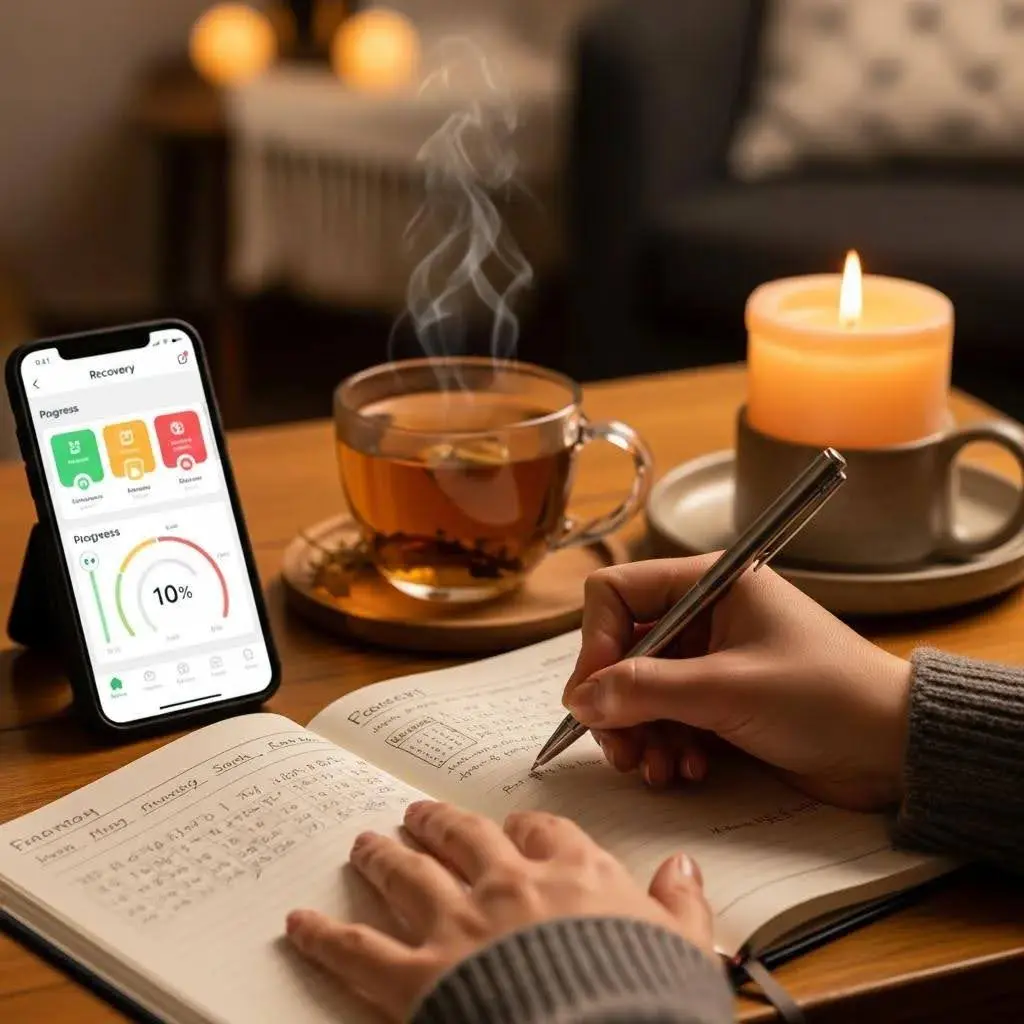
Implementing effective relapse prevention strategies is crucial for individuals transitioning from rehab to independent living. These strategies involve identifying common relapse triggers, developing coping mechanisms, and establishing emergency contacts for support during challenging times. [6]
Common Relapse Triggers and Their Management
Common relapse triggers include emotional stress, environmental cues, and social pressures. Managing these triggers involves developing awareness of personal triggers and creating strategies to cope with them.
For example, individuals can practice mindfulness techniques to manage emotional stress or avoid high-risk situations that may lead to substance use.
Tools and Resources That Strengthen Relapse Prevention Efforts
Several tools and resources can strengthen relapse prevention efforts, including mobile apps for recovery tracking, journaling for self-reflection, and support networks for accountability.
Recovery apps can help individuals monitor their progress and set goals, while journaling allows for emotional expression and processing. Engaging with support networks provides a sense of community and encouragement, which are vital for maintaining sobriety. [7]
How Does Charles River Recovery Personalize Aftercare Plans for Individual Needs?
Charles River Recovery personalizes aftercare plans by conducting thorough assessments to understand each individual’s unique needs and circumstances. This tailored approach ensures that individuals receive the support and resources necessary for their recovery journey.
Assessment Process for Tailoring Aftercare Plans
The assessment process for tailoring aftercare plans involves an initial evaluation to gather information about the individual’s history, triggers, and support systems.
This evaluation is followed by ongoing assessments to monitor progress and make necessary adjustments to the plan. Feedback from the individual and their support network is also incorporated to ensure that the aftercare plan remains relevant and effective.
Family Involvement and Holistic Approaches in Aftercare Planning

Family involvement and holistic approaches are integrated into personalized aftercare plans to provide comprehensive support.
Family therapy sessions encourage open communication and healing within the family unit, while holistic treatment options, such as mindfulness and nutrition counseling, address the individual’s overall well-being. Community involvement is also emphasized, fostering connections that support recovery.
How Do You Monitor Progress and Adapt Your Personalized Aftercare Plan?
Monitoring progress and adapting the personalized aftercare plan is essential for ensuring continued success in recovery. Regular check-ins and evaluations help identify areas for improvement and necessary adjustments to the plan.
Signs That Indicate the Need to Adjust an Aftercare Plan
Signs that indicate the need to adjust an aftercare plan include changes in behavior, feedback from support networks, and potential relapse indicators.
For instance, if an individual begins to withdraw from support groups or exhibits increased stress, it may be time to reassess their aftercare plan and make necessary changes.
Ongoing Assessment for Sustained Recovery
Ongoing assessment supports sustained recovery by tracking progress and identifying new needs as they arise. This continuous evaluation allows for timely adjustments to the aftercare plan, ensuring that individuals receive the support they need to maintain their sobriety.
By fostering a proactive approach to recovery, ongoing assessment enhances the likelihood of long-term success.
Different therapy options and their effectiveness can be compared to understand their roles in aftercare planning.
| Therapy Type | Description | Effectiveness |
|---|---|---|
| Cognitive Behavioral Therapy | Focuses on changing negative thought patterns | High |
| Group Therapy | Provides peer support and shared experiences | Moderate |
| Family Therapy | Involves family members in the recovery process | Moderate |
In summary, creating a personalized aftercare plan for addiction is essential for supporting individuals in their recovery journey.
By understanding the key components of effective aftercare, including therapy options, support groups, and relapse prevention strategies, individuals can develop a comprehensive plan that meets their unique needs.
Charles River Recovery’s commitment to personalized care ensures that individuals receive the support necessary for lasting sobriety.
Frequently Asked Questions
What Role Does Motivation Play In Maintaining Sobriety After Rehab?
Motivation is a critical factor in maintaining sobriety after rehabilitation. It drives individuals to engage in their aftercare plans actively and seek support when needed. High levels of intrinsic motivation can lead to better adherence to therapy sessions, participation in support groups, and the implementation of coping strategies. Setting personal goals and celebrating small achievements can enhance motivation, making it easier to navigate challenges and stay committed to a sober lifestyle.
How Can Technology Assist In Addiction Recovery Aftercare?
Technology plays a significant role in addiction recovery aftercare by providing tools that enhance support and accountability. Mobile apps can help individuals track their sobriety progress, set reminders for therapy sessions, and connect with support groups. Online forums and virtual meetings offer additional resources and community engagement, making it easier for individuals to access help and share experiences. These technological advancements can complement traditional aftercare methods, making recovery more accessible and manageable.
What Is The Importance Of Setting Realistic Goals In An Aftercare Plan?
Setting realistic goals in an aftercare plan is essential for fostering a sense of achievement and motivation. Achievable goals help individuals focus on incremental progress rather than overwhelming changes, which can lead to frustration and potential relapse. By breaking down larger objectives into smaller, manageable tasks, individuals can celebrate their successes along the way, reinforcing their commitment to recovery. This approach also allows for adjustments based on personal circumstances, ensuring the plan remains relevant and effective.
How Can Individuals Build A Supportive Network During Recovery?
Building a supportive network during recovery involves actively seeking connections with individuals who understand the challenges of addiction. This can include joining support groups, participating in community activities, and engaging with family and friends who are supportive of sobriety. Establishing relationships with mentors or sponsors can also provide guidance and encouragement. A strong support network fosters accountability and offers emotional support, which is crucial for navigating the ups and downs of the recovery journey.
Disclaimer:
This article is for general information only and does not replace professional medical, legal, financial, or insurance advice. Policies, prices, and coverage vary. Always consult qualified professionals and your specific provider before making decisions.
Reference
- https://pmc.ncbi.nlm.nih.gov/articles/PMC7813220/
- https://nida.nih.gov/sites/default/files/podat-3rdEd-508.pdf
- https://pmc.ncbi.nlm.nih.gov/articles/PMC2386852/
- https://nida.nih.gov/sites/default/files/podat-3rdEd-508.pdf
- https://pmc.ncbi.nlm.nih.gov/articles/PMC3140338/
- https://www.ncbi.nlm.nih.gov/books/NBK551500/
- https://pmc.ncbi.nlm.nih.gov/articles/PMC10259869/