

Binge drinking is a prevalent issue that affects many individuals and can lead to serious health consequences. [1] This article aims to clarify the relationship between binge drinking and alcoholism, providing insights into definitions, symptoms, and treatment options.
Understanding these concepts is crucial for recognizing the signs of alcohol misuse and seeking appropriate help. Many people struggle with the implications of their drinking habits, often questioning whether their behavior constitutes alcoholism.
In this guide, we will explore the definitions of binge drinking, the symptoms of alcohol use disorder, and the treatment options available for those in need.
What Is Binge Drinking? Definition, Patterns, and Health Risks
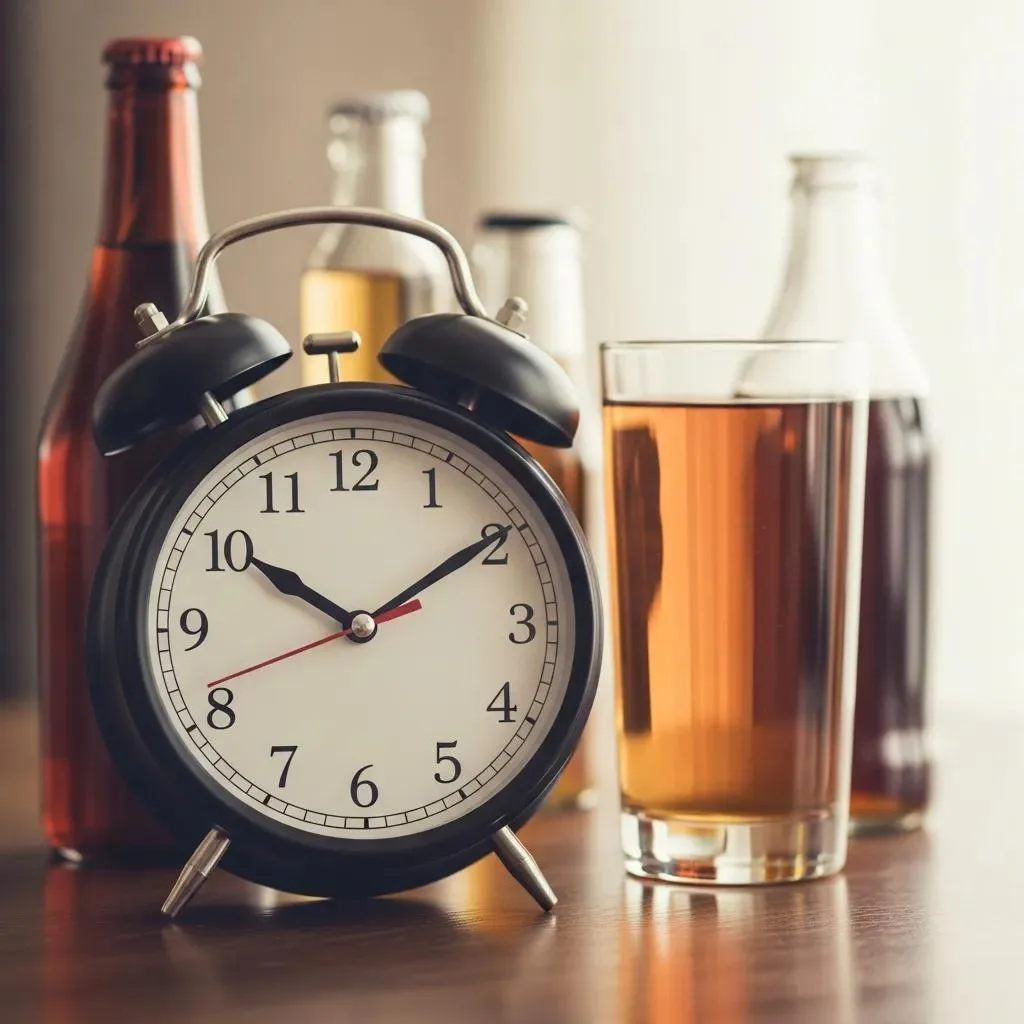
Binge drinking is defined as consuming a large quantity of alcohol in a short period, typically five or more drinks for men and four or more for women, within about two hours.
This pattern of drinking can lead to various health risks, including alcohol poisoning, accidents, and long-term health issues. Understanding binge drinking is essential for recognizing its potential dangers and the need for intervention.
Binge Drinking: Definition and Measurement
Binge drinking is measured by the number of drinks consumed in a specific timeframe.
The Centers for Disease Control and Prevention (CDC) defines it as consuming five or more drinks on a single occasion for men and four or more for women, typically within about two hours. This definition helps identify individuals at risk of developing alcohol-related problems.
Short-Term and Long-Term Effects of Binge Drinking
The effects of binge drinking can be both short-term and long-term. Short-term effects include impaired judgment, coordination issues, and increased risk of accidents. [2]
Long-term effects may involve chronic health issues such as liver disease, cardiovascular problems, and mental health disorders. Recognizing these effects is crucial for understanding the severity of binge drinking and its potential progression to more serious alcohol use disorders.
What Are the Symptoms and Diagnosis Criteria of Alcohol Use Disorder?
Alcohol use disorder (AUD) is characterized by an inability to control drinking despite negative consequences. [3] Identifying the symptoms of AUD is vital for early intervention and treatment.
Signs of Alcohol Use Disorder

Common signs of alcohol use disorder include:
- Increased Tolerance: Needing more alcohol to achieve the same effects.
- Withdrawal Symptoms: Experiencing physical symptoms when not drinking.
- Loss of Control: Inability to limit drinking on occasions.
- Neglecting Responsibilities: Failing to fulfill obligations at work, school, or home due to drinking.
How Alcohol Use Disorder Is Diagnosed
Diagnosis of alcohol use disorder typically involves a comprehensive assessment by a healthcare professional. This may include questionnaires and discussions about drinking habits, behaviors, and the impact of alcohol on daily life.
The Diagnostic and Statistical Manual of Mental Disorders, Fifth Edition (DSM-5), outlines specific criteria for diagnosing AUD, which healthcare providers use to determine the severity of the disorder.
How Does Binge Drinking Differ from Alcoholism? Key Differences and Overlaps
While binge drinking and alcoholism are related, they are not the same. Understanding the differences and overlaps between these two conditions is essential for accurate diagnosis and treatment.
Heavy Drinking vs. Alcoholism: Main Differences
Heavy drinking refers to consuming large amounts of alcohol above recommended limits. [4] Alcoholism, or alcohol use disorder, involves continued drinking despite harm and may involve dependence on alcohol.
Individuals who binge drink may not necessarily have AUD, but their behavior can increase the risk of developing alcohol use disorder over time.
How Binge Drinking Can Progress to Alcohol Use Disorder
Yes, binge drinking can progress to alcohol use disorder. Repeated episodes of binge drinking can lead to changes in brain chemistry and increased tolerance, making it more likely for individuals to develop a dependence on alcohol. Recognizing this progression is crucial for early intervention and treatment.
What Treatment Options Are Available for Alcohol Misuse and Alcohol Use Disorder?
Addressing alcohol misuse and alcohol use disorder requires a comprehensive approach that includes various treatment options. Understanding these options can help individuals and families make informed decisions about seeking help.
How Alcohol Detox Supports Recovery at Charles River Recovery
At Charles River Recovery, alcohol detox is often an important first step in the recovery process. [5] Detoxification helps individuals safely manage withdrawal symptoms while removing alcohol from their system. This process is essential for preparing individuals for further treatment and recovery.
Inpatient Rehab and Dual Diagnosis Treatment Options
Charles River Recovery offers inpatient rehab services that provide a structured environment for individuals seeking recovery from alcohol use disorder.
Additionally, dual diagnosis treatment is available for those with co-occurring mental health disorders, ensuring comprehensive care that addresses both substance use and mental health needs. This holistic approach is vital for long-term recovery and well-being.
Frequently Asked Questions
What Are The Long-Term Health Risks Associated With Binge Drinking?
Long-term binge drinking can lead to severe health complications, including liver disease, cardiovascular issues, and neurological damage. Chronic alcohol consumption can also increase the risk of developing certain cancers and mental health disorders, such as depression and anxiety. [6]
Additionally, individuals may experience cognitive impairments and memory problems. Understanding these risks is crucial for individuals who engage in binge drinking, as it highlights the importance of seeking help and making informed choices about alcohol consumption.
How Can I Help Someone Who Is Struggling With Binge Drinking?
If you know someone struggling with binge drinking, it’s essential to approach the situation with empathy and support. Encourage open conversations about their drinking habits and express your concerns without judgment.
Suggest seeking professional help, such as counseling or support groups, and offer to assist them in finding resources. Being a supportive friend or family member can make a significant difference in their journey toward recovery. Remember, it’s important to prioritize their feelings and readiness to change.
What Role Does Therapy Play In Treating Alcohol Use Disorder?
Therapy plays a crucial role in treating alcohol use disorder (AUD) by addressing the psychological aspects of addiction. Cognitive-behavioral therapy (CBT) is commonly used to help individuals identify and change negative thought patterns and behaviors related to drinking.
Additionally, therapy can provide coping strategies for managing triggers and stressors that may lead to alcohol use. Group therapy and support groups also offer a sense of community and shared experiences, which can be beneficial for long-term recovery.
Are There Any Medications Available To Help With Alcohol Dependence?
Yes, several medications can assist in treating alcohol dependence. Disulfiram (Antabuse) discourages drinking by causing unpleasant reactions when alcohol is consumed.
Naltrexone reduces cravings and the pleasurable effects of alcohol, while acamprosate can help reduce cravings by supporting brain-chemistry balance after alcohol use.
These medications are often used in conjunction with therapy and support programs to enhance recovery outcomes. It’s essential to consult a healthcare professional to determine the most appropriate treatment plan.
Disclaimer:
This article is for general information only and does not replace professional medical, legal, financial, or insurance advice. Policies, prices, and coverage vary. Always consult qualified professionals and your specific provider before making decisions.
References
1. https://www.cdc.gov/alcohol/about-alcohol-use/index.html
2. https://www.niaaa.nih.gov/publications/alcohol-and-brain-overview
3.https://www.niaaa.nih.gov/publications/brochures-and-fact-sheets/understanding-alcohol-use-disorder
4. https://www.cdc.gov/alcohol/about-alcohol-use/index.html
5.https://www.asam.org/quality-care/clinical-guidelines/alcohol-withdrawal-management-guideline